History of Arkansas |
 Arkansas Statehood Stamp |
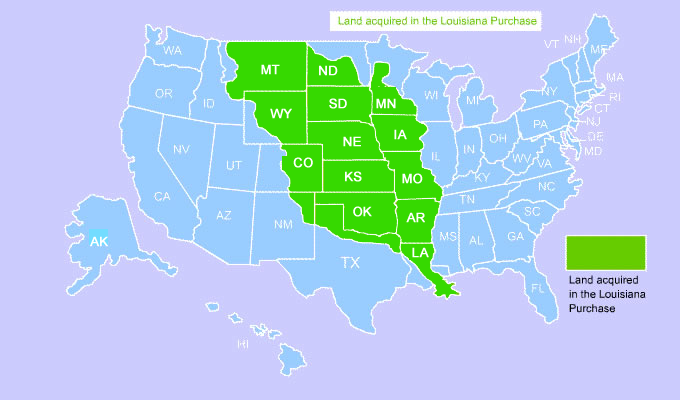
The history of Arkansas is rich and diverse, dating back thousands of years to the indigenous peoples who lived in the region. The state was first explored by Europeans in the late 1600s, but it was not until the Louisiana Purchase of 1803 that it became part of the United States. Over the next several decades, Arkansas was a frontier state, with settlers moving into the region and establishing farms, towns, and businesses.
In 1836, Arkansas was admitted to the Union as the 25th state. In 1861, it became one of the last states to secede from the Union and join the Confederate States of America. During the Civil War, Arkansas was the site of several important battles, including the Battle of Pea Ridge and the Battle of Helena. After the war, Arkansas struggled with the challenges of Reconstruction, but by the late 1800s, it had emerged as a major agricultural state, with cotton and rice being among its leading crops. In the 20th century, Arkansas underwent a period of rapid change and growth. During the Great Depression, the state's economy was hit hard, but it rebounded during World War II, as defense spending and migration to the state brought new prosperity. In the decades that followed, Arkansas continued to grow and evolve, with the rise of industry and the growth of cities like Little Rock and Fayetteville. In 1962, Sam Walton founded Wal-Mart in Bentonville, Arkansas. Wal-Mart would become one of the largest companies in the world by the turn of the century. For much of the 20th century, Arkansas was a battleground in the quest for Civil Rights. In 1957, The Little Rock Nine, nine African American students, attempted to integrate Little Rock Central High School, leading to a nationwide crisis, and a seminal moment in the Civil Rights movement. Fourteen years later, however, Arkansas would become the first state in the South to fully integrate its schools. In 1992, Arkansas former governor Bill Clinton became America's 42nd president. Discussion Questions
Glossary
Early HistoryPeople have lived in Arkansas for thousands of years. Native American tribes were the first to live there. In the late 1600s, European explorers came to the area. In 1803, Arkansas became part of the United States through the Louisiana Purchase. Becoming a State and the Civil WarArkansas became the 25th state in 1836. In 1861, it joined the Confederate States during the Civil War. Many battles happened in Arkansas, such as the Battle of Pea Ridge. After the war, the state had to rebuild during a time called Reconstruction. Farming and GrowthBy the late 1800s, Arkansas was known for farming. Cotton and rice were major crops. In the 1900s, the state began to grow quickly. During World War II, jobs and people moved to Arkansas, helping the economy. Modern Times and Civil RightsIn 1957, nine Black students known as the Little Rock Nine tried to attend a white high school. This became a major moment in the Civil Rights Movement. By 1971, Arkansas had fully integrated its schools. In 1992, Arkansas’s former governor, Bill Clinton, was elected the 42nd president of the United States. The state is also home to Walmart, the world’s largest retailer, started by Sam Walton in 1962. |