Arkansas has a long history that began with Native American tribes and later became part of the United States through the Louisiana Purchase in 1803. It played key roles in the Civil War and the Civil Rights Movement and grew into a center of agriculture, industry, and cultural change.
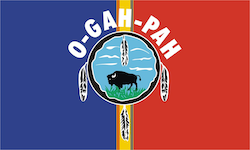
The Quapaw Nation is a Native American tribe originally from the Mississippi River Valley, especially in what is now Arkansas. Today, the tribe is based in northeastern Oklahoma and works to preserve its culture, language, and traditions.
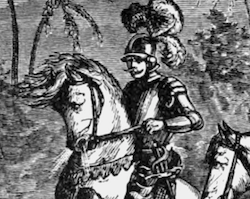
In 1541, de Soto and his Spanish expedition became the first Europeans known to enter Arkansas. They crossed the Mississippi River and traveled through eastern and central Arkansas, including areas near the Mississippi Delta, the White River, and possibly the Ouachita Mountains.
In 1682, La Salle traveled down the Mississippi River from the north to the Gulf of Mexico. During this journey, he passed through eastern Arkansas and made contact with Native American tribes, including the Quapaw.
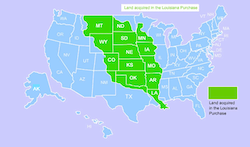
The Louisiana Purchase was a land deal in 1803 where the United States bought a large area of land from France. This purchase doubled the size of the U.S. and included land that would become all or part of 15 states, including Arkansas.