Quapaw Nation |
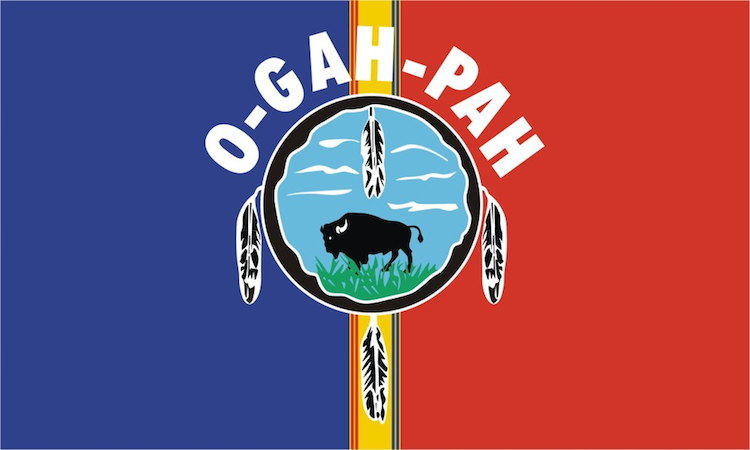
Quapaw Nation Flag |
Meaning of the Name QuapawThe name “Quapaw” means “downstream people.” This name was given to them because they lived and traveled along the Mississippi River. They called themselves “Ogahpah,” which sounds similar to “Quapaw.” The Range of the Quapaw PeopleThe Quapaw originally lived along the Ohio River but moved south and settled in what is now eastern Arkansas. They lived mostly along the Mississippi and Arkansas Rivers near present-day Little Rock and the Delta region. Diet, Hunting, and FarmingThe Quapaw were skilled farmers, hunters, and gatherers. They grew corn, beans, squash, and sunflowers. They hunted deer, bear, and small game, and they fished in nearby rivers. They also gathered wild fruits and nuts from the forests around them. Types of Homes the Quapaw BuiltThe Quapaw built longhouses made from wooden poles covered with grass or bark. These homes were large and could hold several families. Their villages also had open gathering spaces for ceremonies and meetings. Culture, Customs, and Ceremonies
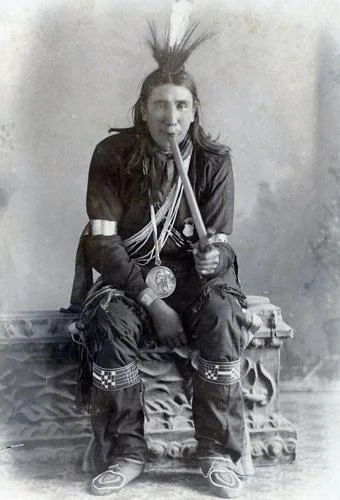
Quapaw Chief with Calumet Pipe The Quapaw had a rich culture with strong family and community traditions. They made beautiful pottery, wove baskets, and wore clothing made from animal hides and decorated with beads. The tribe held ceremonies for planting, harvest, and hunting seasons. Music, dancing, and storytelling were important parts of their culture. One important custom of the Quapaw people was the Calumet Ceremony, also known as the peace pipe ceremony. This ceremony was used to welcome visitors, make agreements, or celebrate peaceful relations with other tribes or groups. The centerpiece of the ceremony was the calumet, or peace pipe, which was carefully crafted and decorated with feathers and carvings. When leaders smoked the pipe together, it showed trust, friendship, and mutual respect. The ceremony often included dancing, singing, and storytelling. It brought people together and helped maintain peace among neighboring groups. The ritual was sacred and taken very seriously by the Quapaw. Conflicts with the U.S. GovernmentUnlike some other tribes, the Quapaw had mostly peaceful relations with the U.S. government at first. However, in the 1800s, the government forced the Quapaw to give up their land through treaties. They were moved to Indian Territory in present-day Oklahoma, far from their homeland in Arkansas. This relocation caused great hardship for the tribe. ConclusionToday, the Quapaw Nation is based in Oklahoma, but they still honor their Arkansas roots and traditions. They continue to celebrate their culture, language, and history through festivals, education, and community events. Discussion Questions
Glossary
Meaning of the Name QuapawThe name “Quapaw” means “downstream people.” They got this name because they lived and traveled along the Mississippi River. The Quapaw called themselves “Ogahpah.” Where the Quapaw LivedThe Quapaw first lived near the Ohio River but later moved south. They settled in eastern Arkansas, mostly near the Mississippi and Arkansas Rivers, close to today’s Little Rock and the Delta region. Food and FarmingThe Quapaw were good at farming, hunting, and gathering. They grew corn, beans, squash, and sunflowers. They hunted deer, bear, and small animals, and they fished in rivers. They also picked wild fruits and nuts. Quapaw HomesThe Quapaw lived in longhouses made from wooden poles covered with grass or bark. These homes were large and held several families. They also had spaces in the village for meetings and special events. Culture and CeremoniesThe Quapaw had strong family and community traditions. They made pottery, wove baskets, and wore decorated animal skin clothing. They held special ceremonies during planting and harvest time and for hunting. Music, dancing, and storytelling were very important to them. The Calumet CeremonyOne special tradition was the Calumet Ceremony, or peace pipe ceremony. They used it to welcome visitors or make peace with other groups. The pipe, called a calumet, was decorated with feathers and carvings. Leaders smoked it together to show trust and respect. These ceremonies also included dancing and music. Trouble with the U.S. GovernmentAt first, the Quapaw had mostly peaceful relations with the U.S. government. But in the 1800s, the government made them sign treaties to give up their land. They were forced to move far away to Oklahoma. This caused the tribe a lot of hardship. |