Pawnee Nation |
Pawnee Nation Flag |
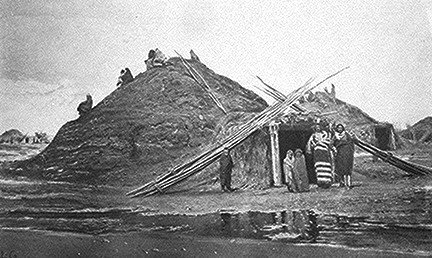
Origin of the NameThe name "Pawnee" is believed to come from the word pariki, meaning "horn," a reference to the distinctive upright hairstyle worn by some Pawnee warriors. The Pawnee people call themselves Chahiksichahiks, meaning "men of men." Early European explorers and traders adapted this term into various forms, eventually settling on "Pawnee." RangeThe Pawnee originally lived along the Platte River in what is now Nebraska and northern Kansas. Their territory stretched across the Central Plains, where they established large earth-lodge villages near fertile river valleys. In the 19th century, they were forcibly relocated to Indian Territory (present-day Oklahoma), where many of their descendants remain today. DietThe Pawnee were both farmers and hunters, practicing a mixed economy. They cultivated crops such as corn, beans, squash, and pumpkins in permanent villages during the spring and summer. In the fall, they organized communal buffalo hunts on the Great Plains, which provided meat, hides, and materials for clothing and tools. Other hunted game included elk, deer, and small mammals, while wild berries and roots supplemented their diet. Home TypeThe Pawnee lived in large, dome-shaped earth lodges made from wooden frames covered in layers of packed earth. These structures were durable, insulated, and could house several families. When on buffalo hunts, the Pawnee used portable tipis made of buffalo hides stretched over wooden poles.
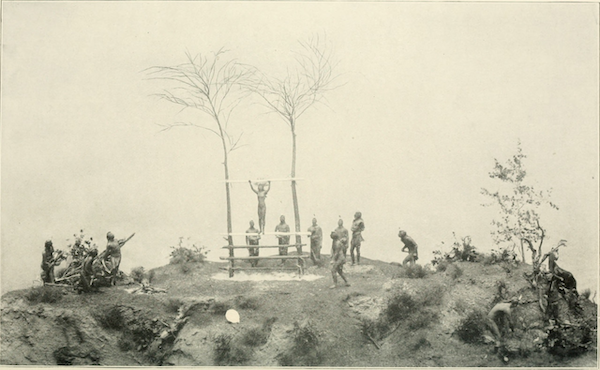
Pawnee Lodge, 1873 CulturePawnee culture was deeply spiritual and centered around celestial events. They were expert sky-watchers, incorporating astronomy into their agriculture and ceremonies. One of their most significant religious rituals was the Morning Star ceremony, which symbolized fertility and renewal. While it once involved human sacrifice, this practice faded over time due to both internal reform and external pressure.
Miniature model of the Morning Star Ritual The Pawnee had complex social structures with clans and a council of chiefs. They crafted detailed pottery, decorated hides, and were known for their storytelling and songs. Oral traditions preserved myths about star beings, creation, and heroic figures like Tirawa, the supreme being. Tirawa, also known as Tirawahat, is the supreme deity in Pawnee cosmology. He is regarded as the creator of the universe and the source of all natural order. According to Pawnee belief, Tirawa assigned tasks to various celestial bodies and spirits to maintain balance in the world. The stars, moon, and sun were considered his messengers, and much of Pawnee ceremonial life—especially agricultural and fertility rituals—was guided by his cosmic plan. Unlike many creator gods in other traditions, Tirawa was distant and not worshipped directly by the people; instead, they honored him through ceremonies that acknowledged the harmony of the universe and their place within it. WarfareThough generally more peaceful than some neighboring tribes, the Pawnee did engage in warfare—often in defense or retaliation. Their main enemies included the Sioux, Cheyenne, and Apache. Pawnee warriors used bows, arrows, lances, and shields, and some adopted firearms in later years. Raids and skirmishes were common, and bravery in battle was highly honored. In the 1800s, some Pawnee served as scouts for the U.S. Army, particularly during the Indian Wars.
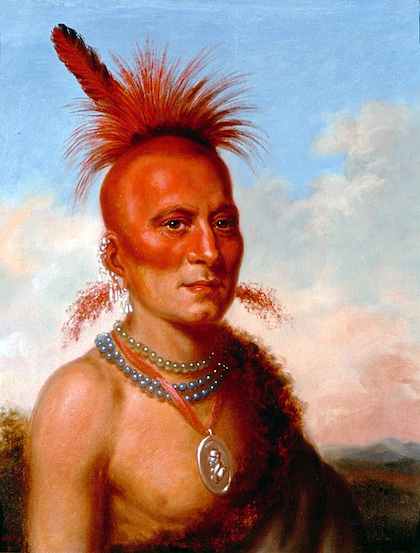
1822 portrait of Sharitahrish (Pawnee chief) by Charles Bird King. This portrait is currently on display in the White House Discussion Questions
Glossary
Origin of the NameThe name "Pawnee" comes from a word meaning "horn," which may refer to the way some Pawnee warriors wore their hair. The Pawnee call themselves Chahiksichahiks, meaning "men of men." RangeThe Pawnee lived in the central Great Plains, mainly in Nebraska and northern Kansas. They later moved to Oklahoma after being forced off their land. DietThe Pawnee grew crops like corn, beans, and squash in their villages. They also hunted buffalo, deer, and other animals on the plains. They gathered wild plants and berries too. Home TypePawnee families lived in earth lodges—big, round houses made of wood and packed earth. These homes stayed cool in summer and warm in winter. When hunting, they used tipis made from buffalo hides. CultureThe Pawnee studied the stars and believed they helped guide life on Earth. They followed a powerful spirit named Tirawa, who created the universe. Pawnee stories, songs, and ceremonies showed respect for nature and the sky. They had special star-based rituals and honored Tirawa through their traditions. WarfareThe Pawnee sometimes fought with other tribes like the Sioux and Cheyenne. They used bows, arrows, and spears, and later got guns. Some Pawnee worked as scouts for the U.S. Army in the 1800s. |