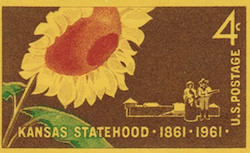
Kansas became a U.S. state in 1861 after years of violent conflict over whether it would allow slavery, a period known as "Bleeding Kansas." It played a key role in the fight over slavery and later supported the Union during the Civil War.
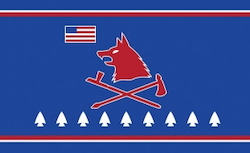
The Pawnee Nation is a Native American tribe originally from present-day Kansas and Nebraska, known for their earth lodge villages and complex social structure. In the 19th century, they were forcibly relocated to Indian Territory in present-day Oklahoma, where the Pawnee Nation is headquartered today.
The Osage people, originally from the Ohio Valley, migrated west and became known as powerful hunters and farmers in the central United States. They developed a rich cultural and spiritual life centered on harmony, clan structure, and ceremonies honoring nature and their creator, Wakonda.
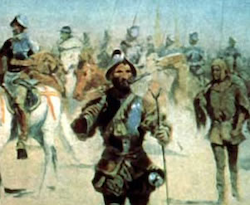
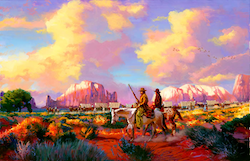
Francisco Coronado was a Spanish explorer who led a major expedition through the American Southwest in search of the legendary Seven Cities of Gold. Although he never found the riches he sought, his journey marked the first European sightings of the Grand Canyon and helped map much of the interior of North America.
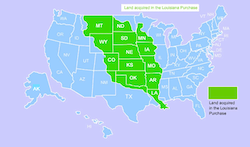
The Louisiana Purchase was a land deal in 1803 where the United States bought a large area of land from France. This purchase doubled the size of the U.S. and included land that would become all or part of 15 states, including Arkansas.
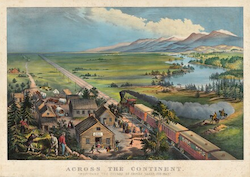
Manifest Destiny was the 19th-century belief that the United States was destined by God to expand its territory across North America. It was used to justify westward expansion, the displacement of Native Americans, and wars such as the Mexican-American War.
The Santa Fe Trail was a 19th-century transportation route that connected Missouri to Santa Fe, New Mexico, serving as a vital commercial and military highway. It played a key role in westward expansion, facilitating trade between the United States and Mexico before the arrival of the railroad.
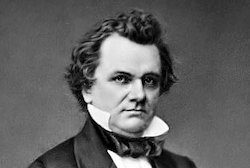
The Kansas-Nebraska Act of 1854 allowed settlers in those territories to decide for themselves whether to allow slavery, effectively repealing the Missouri Compromise. This led to violent conflict in "Bleeding Kansas" and intensified national tensions over slavery, pushing the country closer to civil war.
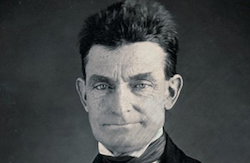
The Pottawatomie Massacre, led by abolitionist John Brown in 1856, involved the brutal killing of five pro-slavery settlers in Kansas. This violent act deepened the hostility between North and South, contributing to the growing unrest that eventually led to the Civil War.
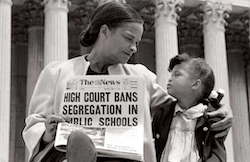
Brown v. Board of Education was a landmark 1954 Supreme Court case that declared racial segregation in public schools unconstitutional. The decision overturned Plessy v. Ferguson and became a major victory for the civil rights movement.