Maine History |
|
|
|
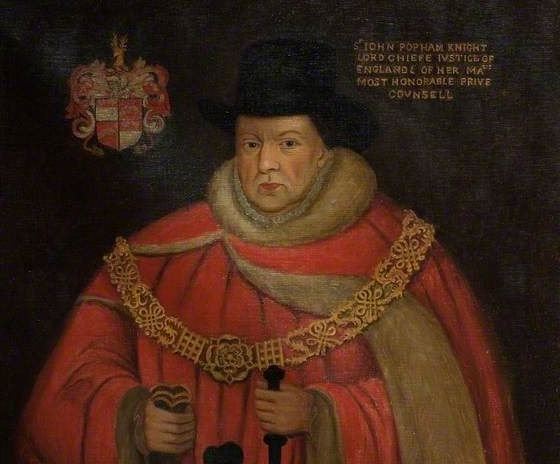
Maine’s Early Inhabitants and European ExplorationMaine, located in the northeastern United States, has a deep and diverse history that spans centuries. Long before Europeans arrived, the land was home to Native American tribes such as the Wabanaki, Abenaki, and Penobscot. The first European explorer to visit was Giovanni Caboto (John Cabot), who reached the region in 1498. French and English SettlementsThe French were the first to establish settlements, beginning with Saint Croix Island in 1604, though these early colonies were short-lived. The English soon followed, founding the Popham Colony in 1607, which also failed, but later established Portland in 1632. These attempts set the stage for Maine’s role in colonial North America.
George Popham Conflict and GrowthDuring the 17th and 18th centuries, Maine became a hub for shipbuilding and trade along its coastline. However, the region was also marked by conflict, as the French, English, and Native Americans clashed. Notable battles included the Battle of Fort Loyal in 1690 and the Battle of Norridgewock in 1724. Statehood and the 19th CenturyIn 1820, Maine entered the Union as the 23rd state under the Missouri Compromise, balancing Missouri’s admission as a slave state with Maine’s admission as a free state. The economy shifted from shipping and trade to logging, paper production, and eventually tourism, as visitors flocked to its scenic shores. Modern MaineIn the 20th century, Maine’s economy diversified further into industries like technology and biotechnology. Today, the state is celebrated for its seafood, coastal charm, and welcoming communities. Its Native American heritage, maritime traditions, and role in early U.S. history remain central to its identity. Discussion Questions
Glossary
Timeline of Maine’s History
Native Peoples and Early ExplorationMaine’s history begins with Native American tribes such as the Wabanaki, Abenaki, and Penobscot. European contact started in 1498 when Italian explorer Giovanni Caboto visited the region. French and English SettlementsThe French established Saint Croix Island in 1604, while the English founded the short-lived Popham Colony in 1607. Portland was later founded in 1632, helping establish Maine’s role in early colonial America. Trade, Shipbuilding, and ConflictBy the 1600s and 1700s, Maine’s coastal towns prospered through shipbuilding and trade. However, the region saw frequent conflicts among the French, English, and Native Americans, including the Battle of Fort Loyal (1690) and the Battle of Norridgewock (1724). Statehood and Economic ChangeMaine became the 23rd state in 1820 under the Missouri Compromise, joining as a free state. Its economy shifted from shipbuilding to logging, paper production, and later tourism, drawing visitors to its coastlines. Modern MaineIn the 20th century, new industries such as technology and biotechnology developed. Today, Maine is known for seafood, coastal beauty, outdoor activities, and its heritage of Native cultures and maritime traditions. |