North Carolina History |
||
|
||
Early Inhabitants and European ContactBefore Europeans arrived, North Carolina was home to Native American tribes such as the Cherokee, Tuscarora, and Catawba. In 1587, English settlers sponsored by Sir Walter Raleigh attempted to establish the first English colony in the New World at Roanoke Island. This colony later became known as the "Lost Colony" because its fate remains a mystery.
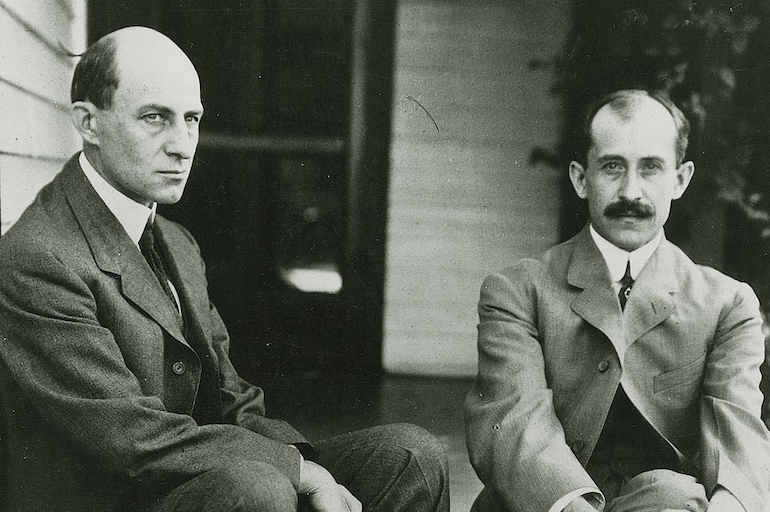
The Mystery of the Lost Colony - NPS video Colonial and Revolutionary PeriodDuring the 18th and early 19th centuries, North Carolina developed a strong agricultural economy based on tobacco and cotton. The state was also known for producing naval stores like tar, pitch, and turpentine. North Carolina played an important role in the American Revolution, hosting key battles such as Kings Mountain and Guilford Courthouse. Civil War and ReconstructionAs the Civil War approached, North Carolina faced divided loyalties between Northern economic ties and Southern cultural ties. The state seceded from the Union in 1861 and joined the Confederacy. Wilmington, an important Confederate port, was among the last to fall in 1865. After the war, the state worked to rebuild its economy and society. Industrial Growth and InnovationAfter Reconstruction, North Carolina's economy shifted from agriculture to manufacturing, becoming a leader in textiles, furniture, and tobacco. In 1903, the Wright Brothers achieved the first successful powered flight at Kitty Hawk, marking a milestone in aviation history.
Wright Brothers Modern DevelopmentIn the 20th century, North Carolina grew into a center for higher education and scientific research, particularly with the development of Research Triangle Park. Today, the state remains a hub of innovation, culture, and progress, continuing its legacy as a vital part of the United States. Discussion Questions
Glossary
Five Interesting Facts
Timeline of North Carolina History
Early HistoryNorth Carolina was originally home to Native American tribes like the Cherokee and Catawba. In 1587, the first English colony in America was started at Roanoke Island but disappeared mysteriously, becoming known as the Lost Colony. Colonial and Revolutionary TimesThe state became known for farming tobacco and cotton and making naval stores. During the Revolutionary War, North Carolina was the site of key battles like Kings Mountain and Guilford Courthouse. Civil War and AfterNorth Carolina joined the Confederacy in 1861 and saw major action during the Civil War. After the war, the economy shifted from farming to manufacturing, especially textiles and tobacco. Modern ChangesIn 1903, the Wright Brothers flew the first airplane at Kitty Hawk. Later, North Carolina grew into a hub for education and research, and today it remains an important and innovative state. |