North Dakota History |
|
|
|
North Dakota: Location and OverviewNorth Dakota, one of the fifty states of the United States, is located in the midwestern region of the country. It is the nineteenth-largest state in the country with an area of 70,700 square miles, and it is the fourth least populated state with a population of just over 760,000 people. The history of North Dakota dates back thousands of years, and it is a story of diverse cultures, conflicts, and resilience. Indigenous Peoples and Early Exploration
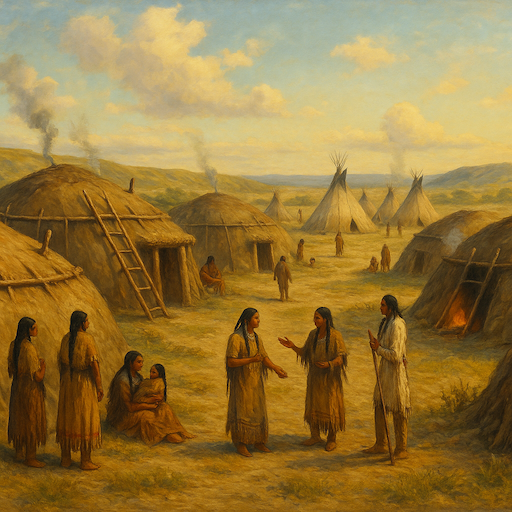
Depiction of Mandan village in North Dakota The earliest inhabitants of North Dakota were Native American tribes such as the Mandan, Hidatsa, and Arikara, who lived in the region for thousands of years before the arrival of European explorers. The first European to explore the area was French explorer Sieur de La Verendrye in the 1730s, followed by other French and British explorers, traders, and fur trappers. These early explorers established trading posts and forts throughout the region, which led to the establishment of the fur trade in North Dakota.
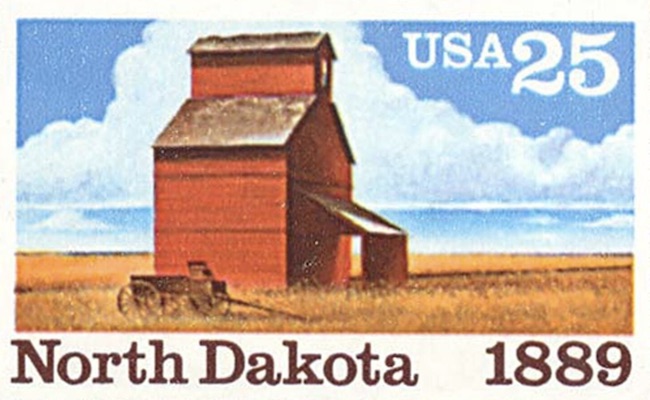
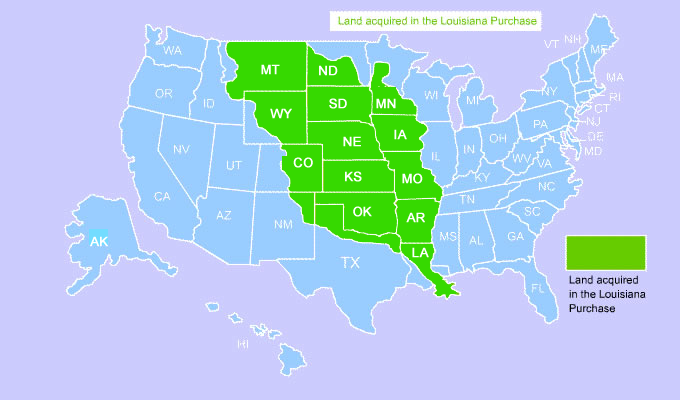
Much of the land that would become North Dakota was acquired as part of the Louisiana Purchase 19th-Century Expansion and TreatiesIn the 1800s, tensions between the native tribes and the European settlers increased as more and more settlers arrived in the region. The United States government negotiated treaties with the tribes, which resulted in the forced relocation of many native people to reservations. Territory, Statehood, and Early EconomyNorth Dakota became a U.S. territory in 1861 and was admitted to the Union as a state on November 2, 1889. The state's economy was largely based on agriculture, and farmers faced many challenges, including droughts, floods, and low prices for their crops. In the early 1900s, North Dakota's farmers formed the Nonpartisan League, which was a political organization that advocated for farmers' rights and the establishment of state-owned industries. World War II and Postwar DiversificationDuring World War II, North Dakota played a significant role in the war effort, with the construction of air bases and training facilities throughout the state. After the war, North Dakota experienced significant population growth, and the state's economy diversified, with the development of the oil and gas industry and the expansion of manufacturing and service sectors. Energy Boom and Modern GrowthIn recent years, North Dakota has become one of the leading states in the country in terms of energy production, particularly with the development of the Bakken Formation, one of the largest oil fields in the world. The state's economy has benefited greatly from the boom in energy production, and North Dakota has become one of the fastest-growing states in the country. Discussion Questions
Glossary
Timeline of North Dakota History
North Dakota is a midwestern state covering 70,700 square miles with just over 760,000 people. Its past stretches back thousands of years and features many cultures, periods of conflict, and persistent resilience. Indigenous Peoples and Early TradeMandan, Hidatsa, and Arikara communities lived in the region long before Europeans. In the 1730s, Sieur de La Vérendrye and later French and British traders arrived, building forts and posts that anchored a growing fur trade. Settlers, Treaties, and ReservationsIn the 1800s, more settlers moved in, heightening tensions. U.S. treaties led to the forced relocation of many Native peoples to reservations, reshaping the human and cultural landscape. Territory, Statehood, and Farmer ActivismCreated as a U.S. territory in 1861, North Dakota became a state on November 2, 1889. Agriculture dominated, but farmers struggled with droughts, floods, and low prices. In response, they formed the Nonpartisan League, pushing for farmer protections and state-owned enterprises. War Effort and Economic DiversificationDuring World War II, the state hosted new air bases and training sites. Afterward, population and economic activity expanded, adding oil, gas, manufacturing, and services to agriculture. Energy Era and Recent GrowthDevelopment of the Bakken Formation made North Dakota a national energy leader. The oil boom accelerated jobs and growth, reshaping communities and the state’s economy. |