James Buchanan |
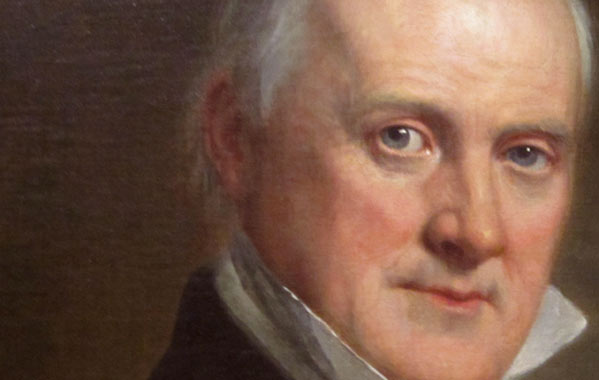 |
Early YearsJames Buchanan was born on April 23, 1791, near Mercersburg, Pennsylvania. He was the second of ten children. In 1809, he graduated from Dickinson College in Carlisle, Pennsylvania, despite being previously expelled for bad behavior. After graduating, he studied law and was admitted to the Pennsylvania Bar in 1812. During the War of 1812, Buchanan fought in the defense of Baltimore. Political CareerBuchanan began his political career in 1814 in the Pennsylvania House of Representatives. He later served in Congress as a representative for Pennsylvania from 1821 to 1831. From 1832 to 1834, he was the U.S. Ambassador to Russia. In 1834, he was elected to the U.S. Senate and was reelected in 1837 and 1843 before resigning in 1845. Buchanan served as Secretary of State under President James K. Polk and helped negotiate the Oregon Treaty, which set the northern boundary of the western United States at the 49th parallel. Later, he served as ambassador to Great Britain. The Worst President Ever?In 1856, Buchanan was nominated by the Democratic Party and became the 15th president of the United States after defeating Republican candidate John C. Fremont. His presidency began amid controversy with the Dred Scott decision, which stated the federal government could not prohibit slavery in the territories. Buchanan, sympathetic to the Southern cause, angered abolitionists by supporting slaveholders. During the Bleeding Kansas crisis, he backed the LeCompton Constitution, which aimed to admit Kansas as a slave state. Although Kansas voters rejected it and the Senate blocked it, Buchanan's support divided the Democratic Party. By 1860, the party split, helping Abraham Lincoln win the presidency. As states began seceding, Buchanan claimed secession was illegal but insisted the federal government could not stop it. LegacyBuchanan died on June 1, 1868, at age 77 at his home, Wheatland. Historians generally rank him among the weakest presidents for failing to prevent Southern secession. He remains the only U.S. president who never married. Most Famous Quote“I like the noise of democracy.” — James Buchanan Discussion Questions
Glossary
Five Interesting Facts
Timeline of James Buchanan’s Life
Early Life and CareerJames Buchanan was born on April 23, 1791, in Pennsylvania. He was the second of ten children. He graduated from Dickinson College in 1809, even after being expelled earlier. Buchanan studied law and became a lawyer in 1812. He served in the War of 1812, helping defend Baltimore. Political CareerBuchanan entered politics in 1814 as a member of the Pennsylvania House of Representatives. He served in Congress from 1821 to 1831, then as ambassador to Russia. Later, he became a U.S. senator and Secretary of State under President Polk, helping negotiate the Oregon Treaty. He also served as ambassador to Great Britain. PresidencyIn 1856, Buchanan became the 15th president. His term started with the Dred Scott decision, which supported slavery in the territories. He supported Southern slaveholders and the LeCompton Constitution, angering Northerners. This caused the Democratic Party to split, helping Abraham Lincoln win in 1860. When Southern states seceded, Buchanan said it was illegal but did nothing to stop it. LegacyBuchanan died in 1868. He is often called one of the weakest presidents because he failed to prevent the Civil War. He was the only U.S. president who never married. |