Pennsylvania History |
 |
Colonial BeginningsPennsylvania is located in the Northeastern region of the United States. Its history traces back to the 1600s when Swedish and Dutch settlers arrived. In 1681, William Penn, an English Quaker, obtained a land grant from King Charles II and established Pennsylvania, named to honor his father. The colony became a sanctuary for religious minorities such as Quakers, Baptists, and German Pietists, earning a reputation for religious tolerance and freedom. Role in the American RevolutionPennsylvania played a pivotal role in the struggle for independence. Philadelphia, the largest city, hosted the drafting of both the Declaration of Independence and the U.S. Constitution. The city was also the home of Benjamin Franklin, a key founding father, inventor, and diplomat.
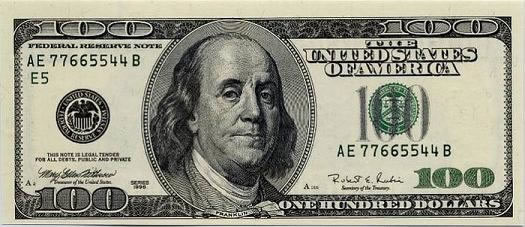
Benjamin Franklin is honored on the United States $100 Bill Pennsylvania and the Civil WarDuring the Civil War, Pennsylvania was a Union state and a critical supply center for the North. The state was the site of the Battle of Gettysburg in 1863, a major turning point in the war and one of the bloodiest battles in American history. Pennsylvania also provided thousands of soldiers and significant industrial resources to the Union effort.
Pickett's Charge on the last day of fighting at Gettysburg - NPS.gov video Industrial GrowthAfter the Revolution, Pennsylvania grew into an economic powerhouse. Pittsburgh and Harrisburg emerged as centers for steel production and transportation. By the late 19th and early 20th centuries, the state expanded into manufacturing textiles, clothing, and machinery. 20th Century and Modern EconomyPennsylvania was vital during both World Wars, producing weapons and supplying troops. In the second half of the 20th century, the economy transitioned from heavy industry to services and technology, keeping Pennsylvania a major contributor to the U.S. economy. Discussion Questions
Glossary
Pennsylvania History Timeline
Colonial OriginsPennsylvania, in the Northeastern U.S., was first settled by Swedes and Dutch in the 1600s. In 1681, William Penn, a Quaker, founded the colony after receiving land from King Charles II. Pennsylvania became a safe place for Quakers, Baptists, and other religious groups, known for its tolerance. Revolution and FoundingPhiladelphia was central to America’s independence. The Declaration of Independence and the U.S. Constitution were signed there, and Benjamin Franklin called it home. The Civil WarPennsylvania supported the Union during the Civil War and was the site of the Battle of Gettysburg in 1863, a key turning point in the conflict. Industrial and Economic ChangeAfter the Revolution, Pennsylvania became an industrial center. Pittsburgh led in steel production, and by the 1900s, manufacturing textiles and machinery was key. The state was also a major contributor during both World Wars, making weapons and sending soldiers. Later, its economy shifted toward services and technology. |