South Dakota History |
|
|
|
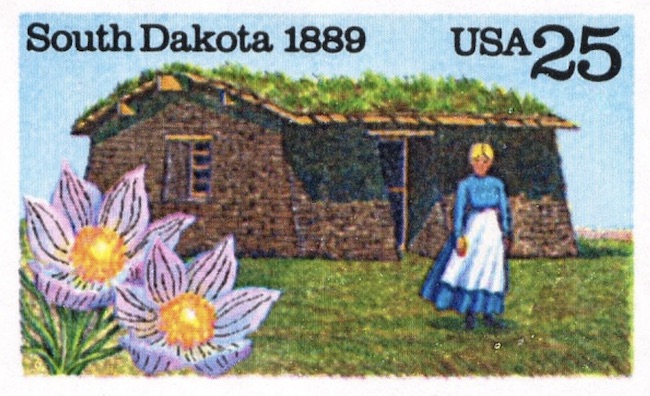
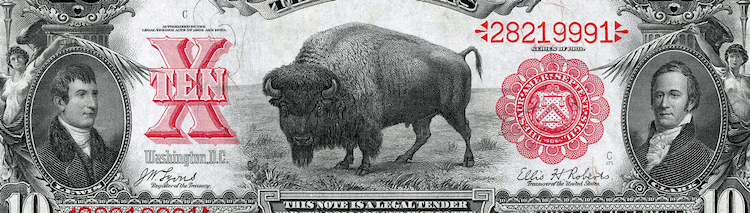
History of South DakotaSouth Dakota is a state located in the Midwestern region of the United States. Known for its scenic beauty, including the famous Mount Rushmore National Memorial, the history of South Dakota is a story of exploration, conflict, and growth. From the earliest Native American tribes to the arrival of European explorers, the state has seen significant changes and progress. In this article, we will explore the history of South Dakota, from its early beginnings to modern times. Early Native American HistoryThe earliest inhabitants of South Dakota were various Native American tribes, including the Sioux, Arikara, and Mandan. These tribes lived off the land, hunting buffalo and other game, and growing crops like corn and beans. They built their homes using materials found in the environment, such as animal hides and grasses. European Exploration and SettlementThe first European to explore the area that is now South Dakota was French explorer Pierre La Verendrye, who arrived in 1743. In 1804, American explorers Meriwether Lewis and William Clark traveled via the Missouri River through the state, and spent the winter of 1804-1805 across the river from a Mandan settlement. During the 1800s, South Dakota became a part of the United States, and settlers began to move into the area. Conflict between settlers and Native American tribes led to several battles, including the famous Battle of Little Bighorn in 1876.
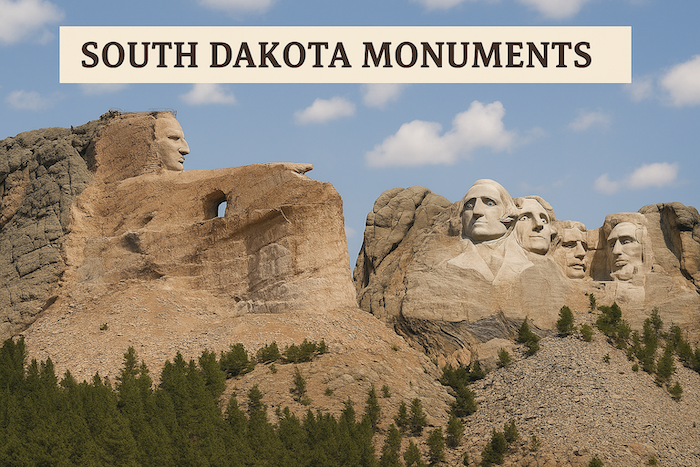
Lewis and Clark traveled through South Dakota on their way to the Pacific Ocean. Statehood and GrowthSouth Dakota became a state on November 2, 1889, becoming the 40th state in the Union. During the late 1800s and early 1900s, the state experienced major growth, with the railroad industry playing a key role. The state became a center for agriculture, with crops like wheat, corn, and soybeans forming the foundation of its economy. 20th Century DevelopmentIn the 20th century, South Dakota continued to grow, with the population reaching nearly 900,000 by 2000. The state contributed to aviation and national defense, with the establishment of the Rapid City Army Air Base (now Ellsworth Air Force Base) in 1942 and the construction of missile silos during the Cold War. Modern TimesToday, South Dakota is a vibrant state with a diverse economy that includes agriculture, manufacturing, and tourism. It is home to universities such as the University of South Dakota and South Dakota State University. Outdoor recreation and cultural attractions draw visitors from around the world, including the Sturgis Motorcycle Rally, the Crazy Horse Memorial, and Mount Rushmore.
Discussion Questions
Glossary
South Dakota History Timeline
IntroductionSouth Dakota is a Midwestern state known for its natural beauty and Mount Rushmore. Its history includes Native American traditions, European exploration, and steady growth over time. Native American TribesThe Sioux, Arikara, and Mandan tribes were the first to live in the region. They hunted buffalo, grew crops, and built homes from natural materials. Exploration and SettlementFrench explorer Pierre La Verendrye visited in 1743. Lewis and Clark followed the Missouri River through the area in 1804. By the mid-1800s, settlers arrived, leading to conflicts such as the Battle of Little Bighorn. Becoming a StateSouth Dakota joined the Union on November 2, 1889. The railroads helped the state grow quickly, and agriculture became its economic foundation. Modern DevelopmentDuring the 1900s, South Dakota supported aviation and national defense with Ellsworth Air Force Base and missile sites. Today, its economy includes agriculture, manufacturing, and tourism. The state’s most famous landmarks are Mount Rushmore, the Crazy Horse Memorial, and the Sturgis Motorcycle Rally. |