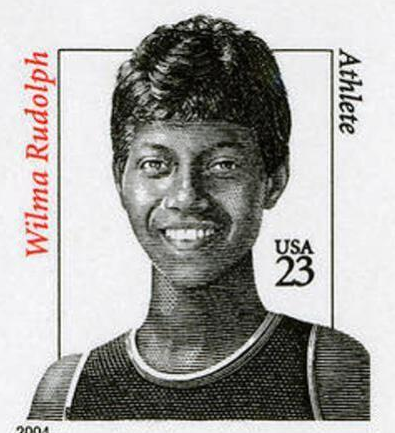
Wilma Rudolph |
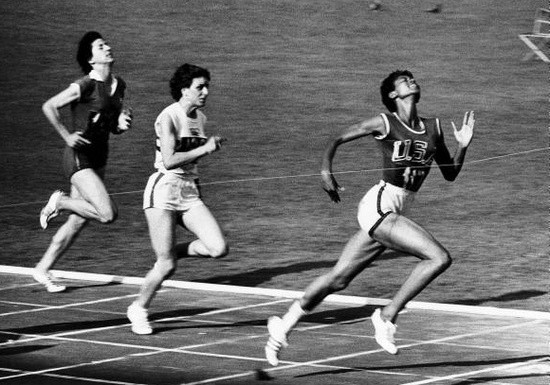
Early Life and ChallengesWilma Rudolph was born on June 23, 1940, in Saint Bethlehem, Tennessee. She was the 20th of 22 children in her family. As a child, Wilma faced many serious health problems. She was born very small and sickly and got polio when she was only four years old. Polio is a disease that can make it hard to move or walk. Because of it, Wilma had to wear a leg brace for several years and could not walk properly.Overcoming ObstaclesEven though doctors thought she might never walk again, Wilma worked hard every day to get stronger. With the help of her family, she slowly learned to walk without the brace. By the time she was 12, she was playing basketball and running. She joined her high school track team and became one of the best runners in the state of Tennessee.Olympic SuccessWilma’s amazing speed caught the attention of college coaches, and she earned a scholarship to Tennessee State University. At just 16 years old, she went to the 1956 Summer Olympics in Australia and won a bronze medal in the 4x100 meter relay. Four years later, at the 1960 Summer Olympics in Rome, Wilma became a worldwide star. She won three gold medals—in the 100 meter, 200 meter, and 4x100 meter relay. She was the first American woman to win three gold medals in track and field at a single Olympic Games.
Legacy and InspirationWilma Rudolph became a hero and role model for people all over the world. She showed that hard work and determination can overcome any challenge. After retiring from track, she became a teacher and coach. Wilma also spoke out for civil rights and helped break down racial barriers in sports. She passed away in 1994, but her legacy continues to inspire athletes and young people everywhere.Discussion Questions
Glossary
Four Interesting Facts
Early Life and Health ProblemsWilma Rudolph was born in 1940 in Tennessee. She was one of 22 children. As a young child, she was often sick and caught polio, a disease that made it hard for her to walk. Doctors didn’t think she would walk again. She had to wear a leg brace for years.Learning to Walk and RunWith help from her family and lots of effort, Wilma slowly got stronger. By age 12, she could walk without a brace. She joined her school’s basketball team and later became a fast runner on the track team.Becoming an Olympic StarWilma’s talent earned her a college scholarship. At 16, she went to the 1956 Olympics and won a bronze medal. Four years later, at the 1960 Olympics in Rome, she won three gold medals. She was the first American woman to do this in track and field.Life After the OlympicsWilma became a symbol of strength and hope. After retiring, she worked as a teacher and coach. She also stood up for civil rights and helped bring people together. Wilma died in 1994, but her story continues to inspire people everywhere. |