Tennessee History |
||
|
||
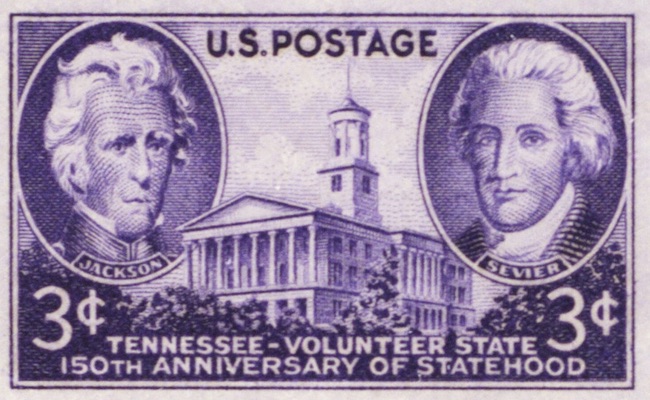
Early Inhabitants and Native TribesTennessee, located in the southeastern region of the United States, has a rich and diverse history that stretches back thousands of years. Before European settlers arrived, Native American tribes such as the Cherokee, Chickasaw, and Shawnee lived in the region. These groups had complex societies and well-established trade networks. Statehood and ExpansionIn 1796, Tennessee became the 16th state to join the United States. During the early 1800s, the state saw rapid growth and economic expansion. Tennessee became a major center for cotton production, relying heavily on the labor of enslaved Africans to support its plantation economy. The Civil War EraWhen the American Civil War began in 1861, Tennessee chose to secede from the Union and joined the Confederate States. The state was a major battleground, witnessing key conflicts such as the Battle of Shiloh, the Battle of Stones River, and the Battle of Chattanooga.
National Park Service video on the Battle of Stones River Reconstruction and Economic GrowthAfter the war, Tennessee entered the Reconstruction era, during which time efforts were made to rebuild the state and secure civil rights for formerly enslaved people. By the late 19th and early 20th centuries, Tennessee had developed a strong economy based on agriculture, manufacturing, and mining. Cultural Contributions and Civil RightsTennessee became a musical powerhouse, giving rise to the blues in Memphis and country music in Nashville. The state also played a critical role in the civil rights movement. One of the most tragic moments occurred in 1968 when Dr. Martin Luther King, Jr. was assassinated in Memphis. Discussion Questions
Glossary
Native Tribes and Early SettlementBefore Europeans arrived, tribes like the Cherokee, Chickasaw, and Shawnee lived in Tennessee and had advanced societies and trade systems. These were disrupted in the late 1700s when settlers moved in. Becoming a State and GrowingTennessee became the 16th U.S. state in 1796. In the 1800s, its economy grew, especially in cotton farming, which depended on enslaved African labor. The Civil War in TennesseeIn 1861, Tennessee joined the Confederacy during the Civil War. The state saw many key battles, including Shiloh, Stones River, and Chattanooga. After the WarDuring Reconstruction, Tennessee worked to rebuild and support rights for freed slaves. Later, it grew economically through farming, mining, and factories. Music and Civil RightsMemphis became known for blues music, and Nashville became the center of country music. In 1968, civil rights leader Dr. Martin Luther King, Jr. was assassinated in Memphis. |