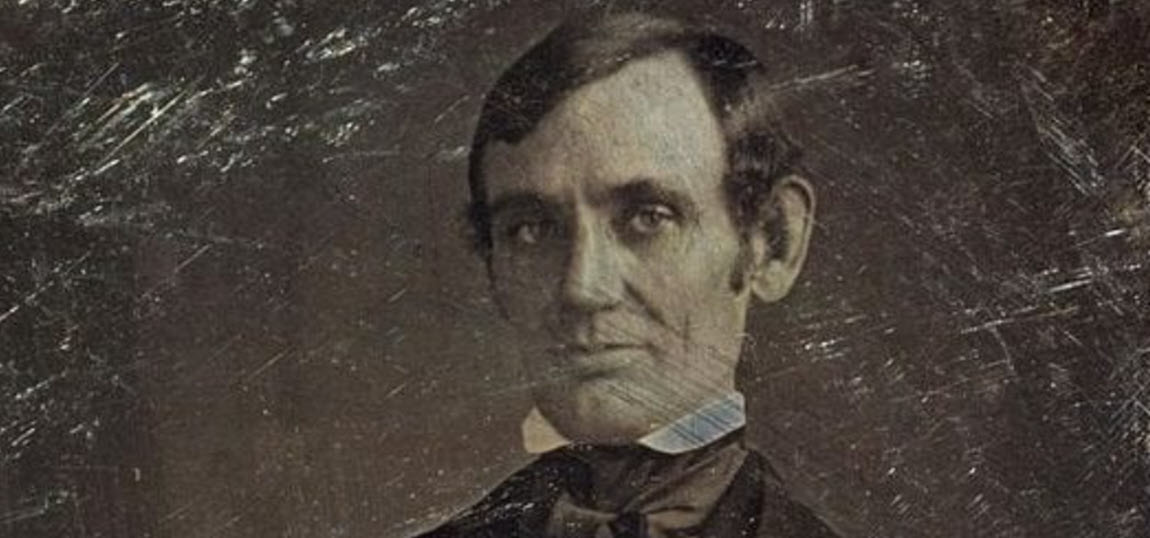
The Cooper Union Speech |
|
|
Abraham Lincoln's Cooper Union speech, delivered on February 27, 1860, at the Cooper Union in New York City, was one of the most significant addresses in American political history. At a time of mounting sectional tensions and the looming specter of civil war, Lincoln's speech helped to solidify his position as a leading voice of the Republican Party. The State of the Nation in the 1850sBy the late 1850s, the United States was deeply divided over the issue of slavery, with tensions escalating between the North and South. The Kansas-Nebraska Act of 1854 and the Dred Scott decision of 1857 had reignited the debate over the expansion of slavery into the Western territories, further polarizing the nation along sectional lines. During this time, the Republican Party emerged as a new political force committed to halting the spread of slavery and preserving the Union. Learn more about: Kansas-Nebraska Act | Dred Scott Decision Who is This Guy?As the 1860 presidential election approached, Lincoln, a relatively obscure lawyer from Illinois, emerged as a leading contender for the Republican nomination. Seeking to introduce himself to a national audience and establish his credentials as a statesman and leader, Lincoln accepted an invitation to speak at the Cooper Union, a renowned cultural and intellectual center in New York City. The SpeechIn his 7,000 word Cooper Union speech, Lincoln delivered a meticulously crafted argument against the expansion of slavery into the Western territories. Drawing upon legal precedent, historical evidence, and moral reasoning, Lincoln sought to debunk the arguments of pro-slavery forces and rally support for the Republican cause. He framed the issue of slavery in terms of the Founding Fathers' vision of a nation dedicated to the principles of liberty and equality, arguing that slavery was incompatible with the ideals of the Declaration of Independence. Lincoln's speech was divided into four main sections, each addressing a different aspect of the slavery debate. He began by rebutting the arguments of Stephen A. Douglas and other proponents of popular sovereignty, who advocated for allowing the residents of the territories to decide the question of slavery for themselves. Lincoln contended that this approach would lead to the spread of slavery and undermine the nation's moral and political foundations. In the subsequent sections of his speech, Lincoln delved into the historical record to demonstrate that the Founding Fathers had intended to restrict the expansion of slavery into the territories. He cited numerous examples of legislation, including the Northwest Ordinance of 1787 and the Missouri Compromise of 1820, as evidence of the nation's long-standing opposition to the spread of slavery. Finally, Lincoln concluded his speech with a passionate appeal to the conscience of the American people, urging them to reject the doctrine of popular sovereignty and unite behind the Republican Party's platform of stopping the spread of slavery. He called upon his audience to rise above the narrow interests of sectionalism and embrace the broader principles of liberty and equality that had animated the nation's founding. Enduring SignificanceLincoln's Cooper Union speech was a resounding success, earning him widespread acclaim and solidifying his reputation as a national leader. The speech was widely circulated in newspapers across the country and helped to galvanize support for the Republican Party's anti-slavery platform. In May 1860, Lincoln won the Republican nomination for president, setting the stage for his historic election later that year. Discussion Questions
The Nation in the 1850sBy the late 1850s, the U.S. was deeply divided over slavery. The Kansas-Nebraska Act and the Dred Scott decision brought back big arguments about whether slavery should spread to new western lands. During this time, the Republican Party began to grow, focusing on stopping slavery and saving the Union. Who Was Abraham Lincoln?In 1860, Abraham Lincoln was a little-known lawyer from Illinois. As the presidential election came closer, he wanted to introduce himself to the nation. He gave a major speech at Cooper Union in New York City to show he was a strong leader and explain his ideas. The Cooper Union SpeechLincoln’s speech was about 7,000 words long. He spoke against slavery spreading into new territories. He used facts, history, and moral reasons to argue that slavery was wrong and went against American values. He said the Founding Fathers wanted slavery to be limited, not expanded. Main Ideas of the SpeechLincoln disagreed with Stephen Douglas, who said each territory should decide on slavery for itself. Lincoln said this would make slavery grow and hurt the nation’s values. He gave examples like the Northwest Ordinance and the Missouri Compromise to show that early leaders tried to stop slavery from spreading. At the end of the speech, Lincoln asked Americans to support the Republican Party and stand up for liberty and equality. He said the country must work together and not be divided by region or slavery. Why It MatteredThe Cooper Union speech was a big success. People around the country read it in newspapers, and it helped make Lincoln a national leader. A few months later, he was chosen as the Republican nominee for president—and in November 1860, he was elected. |