Henry Hudson |
 |
|
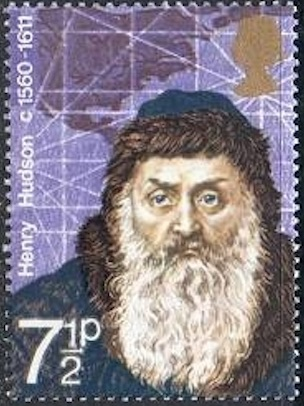
Henry Hudson was a British explorer and navigator who lived in the late 16th and early 17th centuries. He is best known for his voyages to North America and the Arctic in search of a northwest passage to Asia. Early LifeHudson was born in England in the 1560s and began his career as a sailor in the early 1590s. He quickly gained a reputation as a skilled navigator and was hired by the Muscovy Company, a British trading company, to search for a northeast passage to Asia. He embarked on several voyages in this pursuit, but was unsuccessful in finding a passage. Looking For a Passage to AsiaIn 1609, Hudson was hired by the Dutch East India Company to search for a northwest passage to Asia. He set sail on the ship Halve Maen (Half Moon) and explored the coast of North America, eventually sailing up the river that now bears his name, the Hudson River. He reached as far as present-day Albany, New York, but was unable to find a passage to Asia. Mutiny!In 1610, Hudson set out on another voyage in search of a northwest passage. This time he sailed in the ship Discovery and explored the Arctic regions, but once again was unable to find a passage. On the return voyage, his crew mutinied and set him, his son and several crew members adrift in a small boat on Hudson Bay.Hudson's fate after the mutiny is unknown. It is believed that he and his companions died of starvation or exposure. Despite his failure to find a northwest passage, Hudson's voyages were significant in that they opened up the region to further exploration and helped establish the Dutch and British claims to the area.
John Cabot and Henry Hudson Route Maps LegacyToday, Hudson is remembered as a significant figure in the history of exploration and navigation. Many places in North America, including the Hudson River and Hudson Bay, are named after him in recognition of his voyages and discoveries. Discussion QuestionsEarly LifeHenry Hudson was born in England in the 1560s and began his maritime career in the early 1590s. Known for his navigation skills, he was hired by the Muscovy Company to search for a northeast passage to Asia. Though he embarked on several expeditions, he failed to find such a route. Looking for a Passage to AsiaIn 1609, Hudson was commissioned by the Dutch East India Company to find a northwest passage to Asia. Sailing aboard the Halve Maen (Half Moon), he explored the North American coast and traveled up the river that would later be named the Hudson River. He reached as far as present-day Albany, New York, but found no passage to the Pacific. Mutiny!Hudson launched another expedition in 1610 aboard the Discovery in a renewed attempt to find the elusive northwest passage. He explored the icy waters of what is now known as Hudson Bay. Frustrated by the harsh conditions and lack of progress, his crew mutinied. Hudson, his son, and a few loyal crewmen were set adrift and never seen again—presumed to have died from exposure or starvation. LegacyAlthough Henry Hudson never found a passage to Asia, his explorations helped open the North American Arctic and river regions to future Dutch and English claims. Today, Hudson River, Hudson Bay, and the Hudson Strait bear his name, honoring his contributions to exploration and navigation. |