English Exploration in the New World |
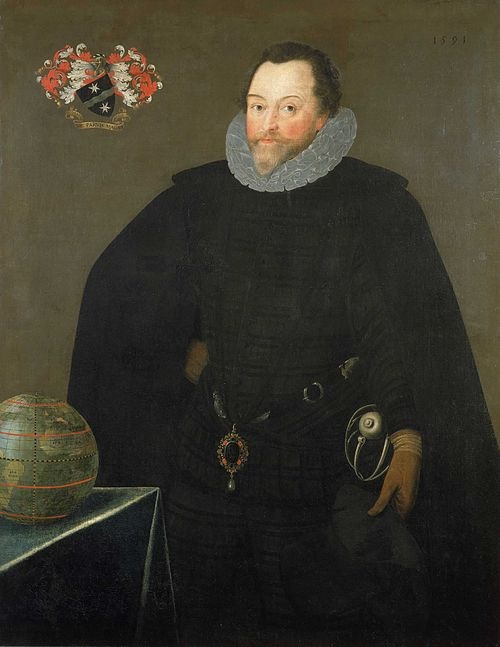
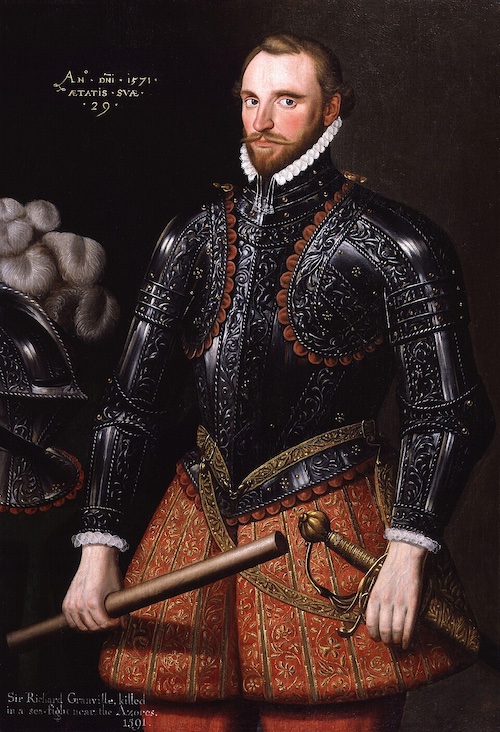
Why England Entered the Race to ExploreDuring the Age of Exploration, England watched as Spain and Portugal grew wealthy from trade and new lands overseas. Determined not to be left behind, England began sponsoring voyages to discover new routes, claim territory, and build a powerful overseas empire. English rulers hoped explorers would find riches, bring back valuable goods, and challenge Spain’s influence across the world. As England developed stronger ships and better navigational skills, it quickly became one of the major seafaring nations of the 1500s and 1600s. Early Voyages: Cabot and the Search for New LandsOne of the first important English-sponsored explorers was John Cabot, an Italian navigator who sailed across the Atlantic in 1497. Cabot reached the coast of present-day Canada and claimed the region for England, giving the English their earliest foothold in the New World. Although Cabot did not stay long, his reports of abundant seas and promising coastlines encouraged future explorers to continue searching for new opportunities in North America. Searching for Trade Routes and ColoniesThroughout the 1500s and 1600s, English explorers continued to sail across the Atlantic in hopes of finding new trade routes and building colonies. Many explorers, including Martin Frobisher and Henry Hudson, searched for the Northwest Passage—a shortcut to Asia across the icy northern seas. While they never found the passage they hoped for, their voyages helped map large areas of Canada and the northeastern parts of North America. Other explorers, such as Sir Walter Raleigh, attempted to start settlements along the Atlantic coast, including the famous—and mysterious—Roanoke Colony. These early efforts laid the groundwork for the future English colonies that would eventually become the United States. Interactive Route maps of Cabot and Hudson Famous English Explorers: Drake and BeyondAs England expanded its exploration efforts, some explorers became national heroes. Sir Francis Drake was one of the most famous. Between 1577 and 1580, Drake became the second person in history to successfully sail around the world. Along the way, he raided Spanish towns and ships, seizing treasure and weakening Spain’s control over its empire. Other English explorers traveled to the Arctic, Africa, and Asia, gathering valuable information that would shape future trade networks. English Pirates and the "Sea Dogs"Not all English activity on the seas came from official explorers. During the 1500s, England relied on groups of government-approved pirates known as Sea Dogs. These men, including Francis Drake, John Hawkins, and Thomas Cavendish, were encouraged to attack Spanish ships and steal their treasure. While Spain considered them criminals, many people in England viewed them as patriotic heroes who helped challenge Spanish power. These Sea Dogs played a major role in weakening Spain’s influence and securing England’s place on the world stage during the Age of Exploration.
Elizabethan Sea Dog - Sir Richard Grenville Impact and Legacy of English ExplorationEnglish exploration laid the foundation for one of the largest empires in history. Although early attempts at colonization sometimes failed, the experience gained from these voyages encouraged England to build permanent settlements in North America and later in Africa and Asia. English explorers and settlers brought new technologies, crops, and ideas to the regions they reached. At the same time, their arrival caused major disruptions to Indigenous populations, including the loss of land, culture, and life. Despite the challenges and conflicts, English exploration forever changed the map of the world and helped shape global trade, migration, and cultural exchange. Discussion Questions
Glossary
Why England ExploredEngland wanted to find new lands, build wealth, and compete with Spain and Portugal. Explorers hoped to discover new trade routes and places to settle. Early ExplorersJohn Cabot sailed to Canada in 1497 and claimed land for England. Other explorers searched for the Northwest Passage or tried to start colonies like Roanoke. Famous English SailorsSir Francis Drake became famous for sailing around the world and attacking Spanish ships. English explorers traveled to many places and learned more about the world. English PiratesSome English sailors called Sea Dogs were actually pirates. They attacked Spanish ships and took their treasure, but the English government supported them. How It Changed the WorldEnglish exploration helped start colonies in North America and expanded England’s power. It also caused big changes for Indigenous peoples who were already living there.
|
| English Exploration Activities |
|