French Exploration of the New World |
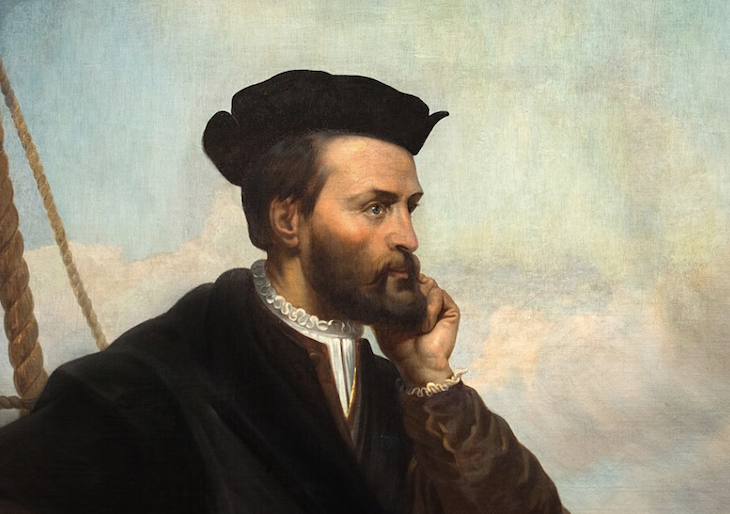
Why France Turned to ExplorationDuring the Age of Exploration, France sought new opportunities for wealth, trade, and power. Many European countries were searching for faster routes to Asia and competing to claim new lands. French leaders hoped explorers could discover a Northwest Passage across North America or find valuable resources such as furs, timber, and fish. France’s interest in exploration also grew from rivalry with Spain and England, who were expanding their empires at a rapid pace. By sponsoring voyages across the Atlantic, France aimed to strengthen its position in global trade and establish influence in the New World. Jacques Cartier and the St. Lawrence RiverOne of the earliest and most important French explorers was Jacques Cartier. In 1534, Cartier sailed to North America and explored the Gulf of St. Lawrence. On later voyages, he traveled up the St. Lawrence River and reached the sites of present-day Quebec and Montreal. Although Cartier never found a route to Asia, his expeditions revealed vast areas rich in natural resources. Perhaps most importantly, Cartier claimed the lands around the St. Lawrence River for France, forming the basis of a future French colony known as New France. Samuel de Champlain and the Founding of New FranceIn the early 1600s, Samuel de Champlain carried French exploration further by establishing permanent settlements. Champlain founded the city of Quebec in 1608, making it the first long-lasting French colony in North America. He explored the Great Lakes region, mapped rivers, and formed alliances with several Indigenous nations, including the Huron-Wendat. Champlain believed that cooperation with Indigenous peoples was essential for survival and for the fur trade, which became the main source of wealth for New France. His work earned him the title “Father of New France.”
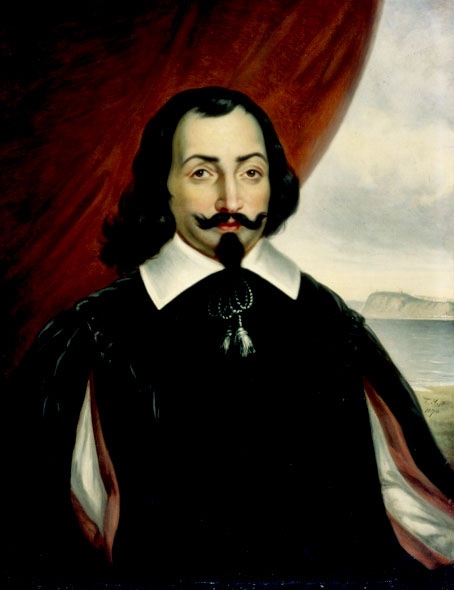
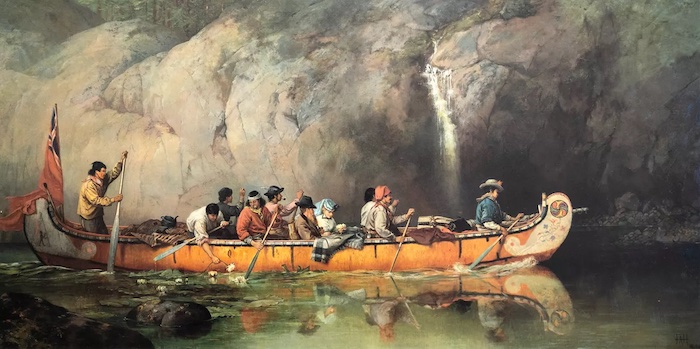
Depiction of Samuel de Champlain made in 1870. No known images or portraits of Champlain are known to exist The Fur Trade and French-Indian AlliancesThe French approach to colonization differed from that of Spain and England. Rather than building large farming settlements, the French focused on trade—especially beaver fur, which was highly valued in Europe for making felt hats. French traders, known as coureurs de bois, traveled deep into the forests to trade with Indigenous groups. In return, Indigenous peoples gained metal tools, cloth, and other European goods. These alliances helped France expand its influence across the interior of North America, from the Great Lakes to the Mississippi River. The VoyageursAnother important group in French exploration and trade were the voyageurs, skilled canoe paddlers who transported furs and trade goods across the vast rivers and lakes of North America. Voyageurs were known for their strength, endurance, and ability to navigate long distances through difficult waterways, often carrying heavy loads of beaver pelts and supplies over land during portages. They worked closely with both French traders and Indigenous nations, helping connect remote trading posts to larger settlements like Montreal and Quebec. Their efforts made the fur trade possible and helped expand France’s influence deep into the interior of the continent.
Anne Frances Hopkins, Canoe manned by Voyageurs Passing a Waterfall, 1869 Explorers of the Mississippi ValleyAs the fur trade grew, French explorers pushed farther into the continent. Louis Jolliet and Jesuit missionary Jacques Marquette explored the Mississippi River in 1673, hoping it might lead to the Pacific. A few years later, René-Robert Cavelier, Sieur de La Salle traveled the full length of the Mississippi to its mouth at the Gulf of Mexico. La Salle claimed the entire river valley for France, naming it Louisiana in honor of King Louis XIV. These explorations greatly expanded France’s territory and influence in North America. Impact and Legacy of French ExplorationFrench exploration shaped the history of North America in important ways. New France became a major center of the fur trade, and French explorers mapped vast regions of the continent. Their alliances with Indigenous groups helped create trade networks but also introduced challenges, including cultural changes and new conflicts. Rivalries between France, England, and Spain eventually led to wars over control of the continent, including the French and Indian War. Although France lost most of its North American territory in 1763, its cultural influence remains strong in places like Quebec, New Orleans, and parts of Canada and the Caribbean. Discussion Questions
Glossary
Why France ExploredFrance wanted to find new trade routes, compete with other European countries, and gain valuable resources like fur and fish. They also hoped to find a shortcut to Asia. Early ExplorersJacques Cartier explored the St. Lawrence River and claimed land for France. Later, Samuel de Champlain founded Quebec and worked with Indigenous peoples to build the fur trade. The Fur TradeThe French traded metal tools and cloth with Indigenous groups in exchange for beaver furs. Many French traders traveled deep into the forests to buy furs. The VoyageursVoyageurs were strong paddlers who carried furs and supplies across rivers and lakes. They helped connect French trading posts and made long-distance trade possible. Exploring the Mississippi RiverMarquette, Jolliet, and La Salle explored the Mississippi River. La Salle claimed the whole river valley for France and named it Louisiana. How It Changed the WorldFrench exploration helped shape Canada and the central United States. French culture and language are still found in places like Quebec and New Orleans today.
|
| French Exploration Activities |
|