The Search for the Northwest Passage |
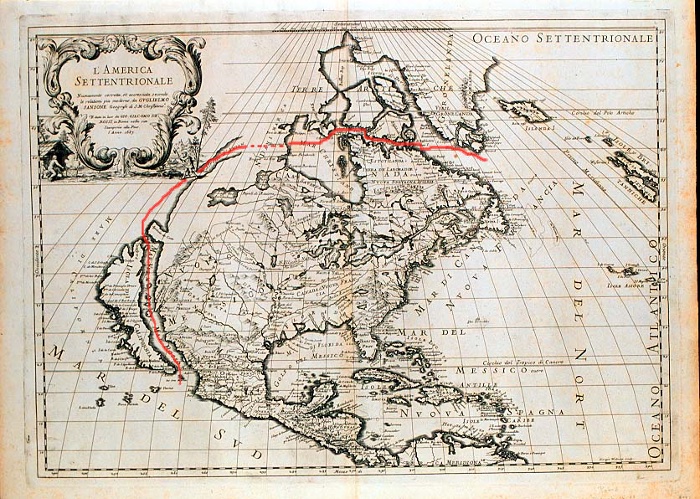
Why Explorers Searched for a New RouteDuring the Age of Exploration, European nations were eager to find faster and safer trade routes to Asia. Spices, silk, tea, and other valuable goods traveled slowly along overland routes or required long voyages around Africa or South America. Because of this, explorers wondered if a shorter water route existed across the northern part of North America. This route became known as the Northwest Passage—a hoped-for shortcut that would allow ships to sail from the Atlantic Ocean directly to the Pacific. Although mapmakers guessed such a route might exist, no one knew if ships could survive the icy waters of the far north. The Earliest AttemptsIn the late 1400s and early 1500s, explorers from England, France, and the Netherlands began searching the northern seas. One of the earliest was John Cabot, an Italian sailing for England, who reached the coast of present-day Canada in 1497. He did not find a passage, but his voyage encouraged others to continue the search. Later explorers, including Jacques Cartier of France, traveled up the St. Lawrence River, hoping it might lead across the continent. Each journey revealed more about North America’s geography, but the true Northwest Passage remained out of reach.
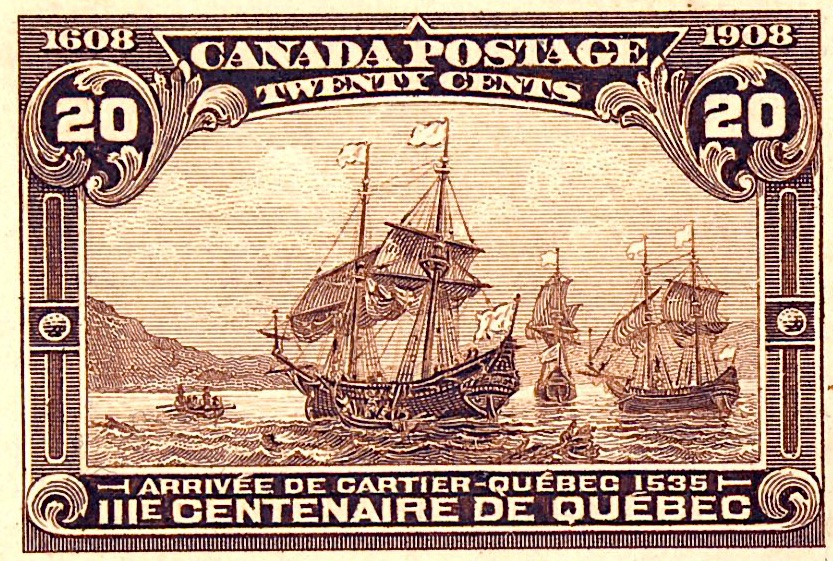
French explorer Jacques Cartier thought the Northwest Passage lay just beyond the rapids of the St. Lawrence River Harsh Conditions and Dangerous JourneysThe search for the Northwest Passage proved extremely difficult. Northern waters were filled with thick sea ice, freezing winds, and long periods of darkness. The Arctic climate made navigation dangerous, and many ships became trapped in the ice. Explorers such as Henry Hudson sailed far into the northern seas in the early 1600s, reaching the massive bay now named after him—Hudson Bay. Although Hudson believed he was close to finding the Passage, his ship was stranded, and his crew eventually mutinied. Many expeditions ended in failure, hardship, or disaster, yet nations continued funding voyages in hopes of discovering a route that could bring incredible wealth. New Discoveries and the Long SearchDespite frequent disappointment, explorers learned a great deal about the Arctic during their travels. They mapped coastlines, studied wildlife, and made contact with Indigenous groups, including the Inuit, who had long lived in the region. In the 1700s and 1800s, explorers such as James Cook and later Sir John Franklin continued the search. Franklin’s expedition became one of the most tragic, as both ships and all 129 crew members were lost in the Arctic ice. Even though these voyages did not find an easy sea route, they provided valuable information about the northern world. The Passage Is Finally FoundIt was not until the early 1900s that Norwegian explorer Roald Amundsen successfully traveled through the entire Northwest Passage. However, the journey took three years and required a small ship that could travel close to shore to avoid thick ice. This proved that although the Passage existed, it was not practical for large trading ships. Today, the Northwest Passage can sometimes be crossed due to melting sea ice, but it remains a difficult and unpredictable route. Impact and LegacyThe centuries-long search for the Northwest Passage had a major impact on world history. It led to the exploration and mapping of northern Canada and Alaska, increased contact between European explorers and Indigenous peoples, and expanded scientific knowledge of the Arctic. Although explorers never found the easy shortcut they dreamed of, their journeys opened new regions to the world and influenced trade, colonization, and global geography during the Age of Exploration. Discussion Questions
Glossary
What Was the Northwest Passage?Europeans hoped there was a shortcut across the top of North America that would let ships sail from the Atlantic to the Pacific. They called this shortcut the Northwest Passage. The Search BeginsExplorers like John Cabot, Jacques Cartier, and Henry Hudson looked for the Passage, but they found only cold waters, ice, and new coastlines. The Arctic Was DangerousThe northern oceans were full of ice and storms. Many ships got stuck, and some crews never returned home. It Was Finally CrossedIn the early 1900s, Roald Amundsen became the first to sail through the Passage, but it took years and showed that it was too icy for regular trade. Why It MattersEven though explorers did not find an easy path to Asia, their journeys helped map the Arctic and taught the world more about northern lands and peoples.
|
| Search for the Northwest Passage Activities |
| The Search for the Northwest Passage Online or Printable Reading Comprehension - Lexile 720 and 920 |