Civil Rights Act of 1866


Memphis Riot of 1866

The New Amendments

Introduction to the Civil Rights Act of 1866

The Civil Rights Act of 1866 was a landmark piece of legislation that marked a turning point in the struggle for racial equality in the United States. It was the first federal law to provide equal rights and protections for all citizens, regardless of race or color. Passed shortly after the Civil War, the act aimed to ensure that newly-freed slaves were granted full citizenship rights.

How the Act Became Law

The Civil Rights Act of 1866 was introduced in Congress by Senator Lyman Trumbull, a Republican from Illinois. It was designed to protect newly-freed slaves from discrimination and secure their legal rights as citizens. Although both the Senate and the House of Representatives passed the act, President Andrew Johnson vetoed it. Congress, however, overrode the veto, and the bill became law.

Main Provisions of the Law

The act declared that all people born in the United States were citizens and entitled to the same rights as white citizens. It prohibited any discrimination based on race or color, including in employment, housing, and public services. The act also empowered federal courts to hear cases involving violations of these civil rights.

Impact on Civil Rights Progress

The Civil Rights Act of 1866 was a major step toward racial equality. It granted African Americans full citizenship and helped end the idea that they were second-class citizens. This act laid the foundation for future legislation, including the 14th Amendment, which guaranteed equal protection under the law, and the Civil Rights Act of 1964, which further outlawed discrimination.

Challenges to Enforcement

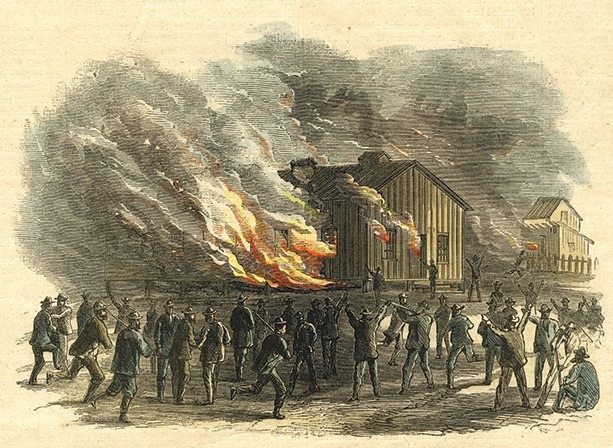
Despite its significance, the act faced serious challenges in implementation. Southern states, many of which had been part of the Confederacy, resisted these changes and continued to discriminate against African Americans. White supremacist groups like the Ku Klux Klan used violence and intimidation to prevent black citizens from exercising their rights.

    Discussion Questions

    1. Why was the Civil Rights Act of 1866 needed after the Civil War?
    2. How did President Andrew Johnson react to the Civil Rights Act, and what did Congress do in response?
    3. What were some of the main rights that the Act guaranteed to African Americans?
    4. Why was it hard to enforce the Civil Rights Act of 1866 in southern states?

What Was the Civil Rights Act of 1866?

The Civil Rights Act of 1866 was the first federal law in the United States to protect equal rights for all citizens, no matter their race or skin color. It was passed right after the Civil War to make sure that formerly enslaved people had the same rights as everyone else.

How It Became Law

Senator Lyman Trumbull of Illinois introduced the bill. Congress passed it, but President Andrew Johnson vetoed it. Congress then voted again and overruled his veto, so the bill became law.

What the Law Said

The law said that all people born in the United States were citizens and had the same rights as white people. It made it illegal to treat someone unfairly because of their race. It also gave the federal courts power to handle cases where people’s civil rights were being violated.

Why the Act Was Important

The Civil Rights Act of 1866 was a big step toward equality. It gave African Americans full citizenship and helped lead to other important civil rights laws, like the 14th Amendment and the Civil Rights Act of 1964.

Problems with Enforcement

Even though the law was passed, many people in the South didn’t want to follow it. Some used violence and threats to stop African Americans from using their rights. Groups like the Ku Klux Klan tried to keep things the way they were before the Civil War.