The Economic Ruin of the South
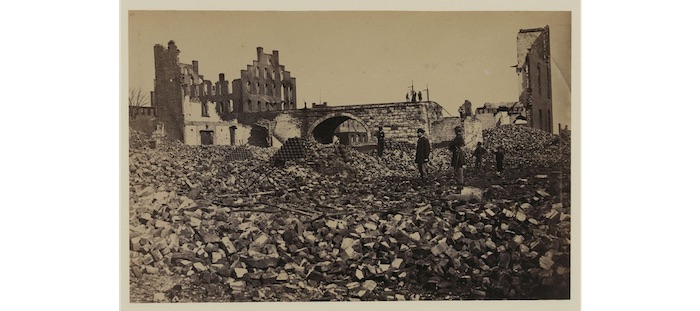
The Civil War of the United States was a catastrophic event that left the southern economy in ruins. The Confederacy's defeat led to the end of slavery and the collapse of the plantation-based economy, which had been the region's primary source of wealth. The rebuilding of the southern economy after the Civil War was a challenging task that required significant effort, investment, and political will.
Post-War Economic Challenges
The end of the Civil War marked the beginning of a new era for the southern states. The region's economy had been largely dependent on agriculture, with cotton being the main cash crop. However, the abolition of slavery meant that plantation owners had to find alternative sources of labor, which was a significant challenge. Additionally, the war had left the southern infrastructure in ruins, with many railroads, bridges, and roads destroyed. The southern economy also lacked capital, credit, and a skilled workforce, which further compounded the problem.
Federal Reconstruction Efforts
To address these challenges, the federal government implemented several policies aimed at rebuilding the southern economy. The most significant of these policies was the Reconstruction Act of 1867, which aimed to reorganize the southern states and rebuild their economies. Under this act, the federal government established military districts in the south and provided funds for infrastructure projects such as the construction of railroads, bridges, and schools.
The Homestead Act and Freedmen's Bureau
Another critical policy implemented was the Homestead Act of 1862, which provided land to settlers in the western territories. This act encouraged migration to the west and reduced the demand for land in the south, which had been a significant source of conflict before the war. The federal government also established the Freedmen's Bureau, which aimed to provide education, healthcare, and other services to freed slaves and help them integrate into society.
Private Investment and Economic Growth
Private investment also played a significant role in the rebuilding of the southern economy. Northern investors saw the south as a land of opportunity and invested heavily in infrastructure projects, such as railroads and factories. These investments provided employment opportunities for southern residents and helped to kick-start the region's economy.
Resistance and Social Tensions
Despite these efforts, the rebuilding of the southern economy was not without challenges. One significant challenge was the resistance of southern elites to change. Many wealthy plantation owners were reluctant to abandon their old ways of life and adapt to the new economic realities. This resistance hindered progress and slowed the region's economic recovery.
The Rise of White Supremacist Groups
Another challenge was the rise of the Ku Klux Klan and other white supremacist groups, who used violence and intimidation to maintain the status quo. These groups targeted African Americans and other minority groups, which hindered their economic progress and perpetuated inequality in the region. |
Discussion Questions
- What were some of the biggest problems the South faced after the Civil War?
- How did the U.S. government try to help the South rebuild?
- Why did some people in the South resist change?
- What role did violence play in the Reconstruction period?
The South After the Civil War
The Civil War badly damaged the southern economy. Slavery ended, and the plantation system collapsed. Towns, farms, and railroads were ruined, and people needed to find new ways to earn a living.
Big Problems to Fix
Without slaves, farmers had to find other workers. The South also had little money, few skilled workers, and broken roads and bridges. It was hard to start over.
Help From the Government
The U.S. government passed the Reconstruction Act in 1867 to help the South rebuild. The act created military districts and gave money to rebuild schools, railroads, and bridges.
More Government Help
The Homestead Act gave land to people willing to move west, which took pressure off the South. The Freedmen’s Bureau helped freed slaves with food, education, and jobs.
Money From the North
Northern businesspeople invested in the South by building railroads and factories. These projects created jobs and helped the economy recover.
People Who Didn’t Want Change
Some rich Southerners didn’t want things to change. They tried to keep the old ways and made it hard for the South to move forward.
Racism and Violence
Groups like the Ku Klux Klan used violence to scare African Americans and stop them from having equal rights. This made life harder for many people trying to succeed in the new South.
|