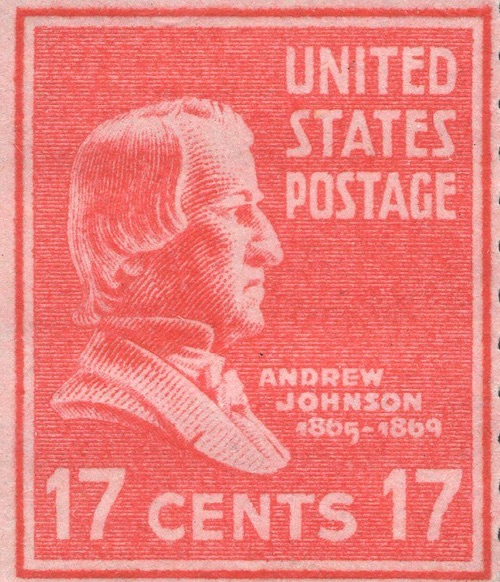
Introduction to Andrew Johnson's Presidency
The ascension of Andrew Johnson to the presidency was a defining moment in American history. Johnson, who served as vice president under Abraham Lincoln, became president in 1865 after Lincoln's assassination. His presidency was marked by a series of political and social challenges, including Reconstruction and the struggle for civil rights.
Early Life and Political Career
Johnson was born in North Carolina in 1808 and grew up in poverty. He worked as a tailor before entering politics, serving as a state senator and then as governor of Tennessee. In 1864, he was chosen as Lincoln's running mate, reflecting Lincoln's desire to unify the country and bring the Confederacy back into the Union.
Challenges Following Lincoln's Assassination
After Lincoln's assassination, Johnson became president at a difficult time in American history. The country was still reeling from the Civil War, and the question of how to rebuild the South and integrate former Confederate states back into the Union was a major political and social challenge.
Conflict with Congress and the Radical Republicans
Johnson faced significant opposition from Congress, which was dominated by the Radical Republicans. The Radical Republicans were deeply committed to Reconstruction and civil rights for African Americans and clashed with Johnson over his policies and approach to these issues.
The 14th Amendment
One of the most significant challenges Johnson faced was the passage of the 14th Amendment, which guaranteed equal protection under the law for all citizens. Johnson opposed the amendment, arguing that it was unconstitutional and would lead to the centralization of power in the federal government.
Impeachment and Legacy
Johnson's opposition to the 14th Amendment and his refusal to support civil rights legislation ultimately led to his impeachment by the House of Representatives in 1868. Although he was acquitted by the Senate and remained in office until the end of his term, Johnson's presidency was marred by controversy and conflict.
Discussion Questions
- Why did Andrew Johnson become president after Abraham Lincoln?
- What were some of the big problems the country faced during Reconstruction?
- Why did Congress disagree with President Johnson?
- What was the 14th Amendment, and why did Johnson oppose it?