The Freedmen's Bureau

Freedmen's Bureau


Introduction to the Freedmen's Bureau

The Freedmen's Bureau was an agency created by the United States government in 1865, shortly before the end of the Civil War on March 3, 1865. Its primary purpose was to assist newly freed African American slaves in transitioning to freedom and citizenship, as well as to provide humanitarian aid and educational opportunities. The Bureau was headed by a commissioner, who was appointed by the President, and it operated under the authority of the War Department.

Assistance to Freed Slaves

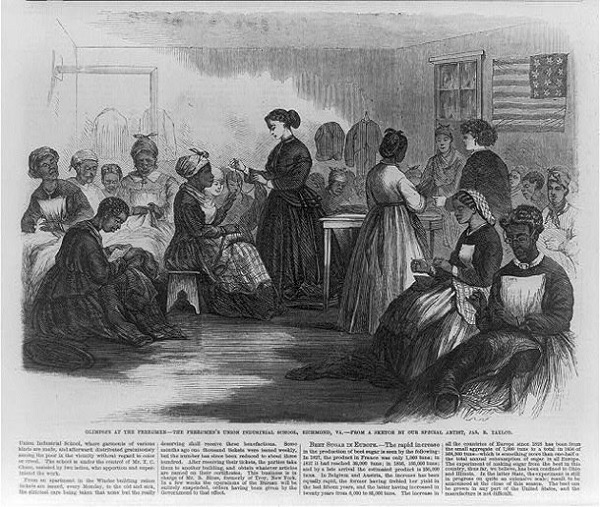
One of the main functions of the Freedmen's Bureau was to provide assistance to newly freed slaves, including food, clothing, and medical care. The Bureau also helped African Americans find work, and it established schools to provide educational opportunities for the newly freed population. In addition, the Bureau provided legal assistance to African Americans who were being denied their rights, including the right to vote.

Dispute Resolution and Land Claims

The Bureau was also tasked with settling disputes between former slaves and their former masters. This was particularly important in cases where former slaves had been promised land or other resources as compensation for their years of forced labor. The Bureau helped to mediate these disputes and ensure that former slaves received what was rightfully theirs.

Challenges and Resistance

Despite its noble mission, the Freedmen's Bureau was not without its problems. It was often understaffed and underfunded, which made it difficult to provide the necessary services to the millions of newly freed slaves. Additionally, many white Southerners were hostile to the Bureau and resented its efforts to assist African Americans.

Corruption and Misuse

The Freedmen's Bureau was also plagued by corruption, as some Bureau officials used their positions to enrich themselves at the expense of the people they were supposed to be helping. In some cases, Bureau officials colluded with white Southerners to perpetuate the discriminatory practices of the past.

Legacy of the Freedmen's Bureau

Despite these challenges, the Freedmen's Bureau played a crucial role in the early years of Reconstruction. It provided vital support to newly freed slaves and helped to lay the groundwork for the eventual end of slavery and the full citizenship rights of African Americans. Today, the Freedmen's Bureau is remembered as an important chapter in the struggle for civil rights in the United States.

Discussion Questions

  1. What were some of the main things the Freedmen's Bureau did to help newly freed African Americans?
  2. Why was it hard for the Freedmen's Bureau to do its job well?
  3. Why did some people in the South dislike the Freedmen's Bureau?
  4. How did the work of the Freedmen's Bureau help start the civil rights movement?

What Was the Freedmen's Bureau?

The Freedmen's Bureau was started by the U.S. government in 1865 to help formerly enslaved people adjust to their new lives after the Civil War. It provided food, clothes, jobs, medical care, and education to African Americans who had been freed from slavery.

Helping Freed Slaves

The Bureau gave out supplies and helped people find work. It also started schools so that African Americans could get an education. Lawyers from the Bureau helped people who were treated unfairly or denied their rights, like voting.

Solving Problems and Land Disputes

Many former slaves and their old masters argued about land and promises made during slavery. The Freedmen's Bureau helped solve these disagreements and tried to make sure people were treated fairly.

Problems and Opposition

The Bureau didn’t have enough workers or money to help everyone. Many white Southerners didn’t like it and tried to stop its work. Some workers in the Bureau were dishonest and took money or worked against African Americans instead of helping them.

Why It Was Important

Even with its problems, the Freedmen's Bureau did important work. It gave support to freed slaves and helped begin the long fight for civil rights and equal treatment in the United States.

The Freedmen's Bureau Activities