The New Amendments

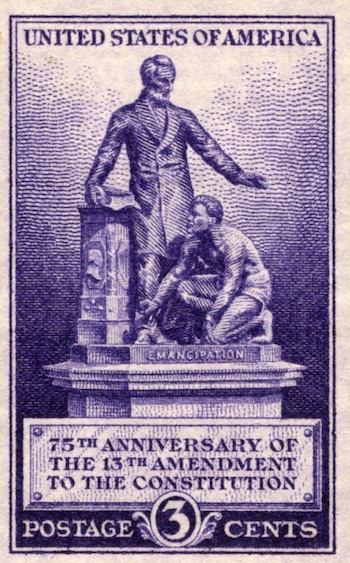
13th Amendment Commemorative Postage Stamp

13th Amendment Commemorative Postage Stamp

The New Amendments

The American Civil War, which lasted from 1861 to 1865, was one of the most significant events in U.S. history. The war brought about the end of slavery and marked a turning point in the country's development. In the aftermath of the conflict, several amendments were added to the Constitution to reflect the new social and political realities of the nation.

Click here to learn more about: Slavery in America | The United States Constitution

The Thirteenth Amendment, ratified in December 1865, abolished slavery and involuntary servitude in the United States. It was a momentous step forward for civil rights and freedom, as it ended the practice of treating human beings as property. The Thirteenth Amendment also gave the federal government the power to enforce the ban on slavery through legislation and legal action.

The Fourteenth Amendment, ratified in July 1868, granted citizenship to all persons born or naturalized in the United States, including former slaves. The amendment also guaranteed equal protection under the law and due process for all citizens. The Fourteenth Amendment was a crucial addition to the Constitution, as it addressed the rights of African Americans and helped to provide legal protections against discrimination.

The Fifteenth Amendment, ratified in February 1870, prohibited the government from denying citizens the right to vote based on race, color, or previous condition of servitude. The amendment was a significant achievement for the civil rights movement, as it ensured that African American men could vote and participate in the political process.

The new amendments to the Constitution created after the Civil War were a critical step forward in the struggle for civil rights and equality. These amendments were the result of years of advocacy and activism by abolitionists, civil rights activists, and others who fought against slavery and discrimination.

However, while the amendments were a vital step forward, they did not immediately solve all of the problems facing African Americans in the aftermath of the Civil War. Many white supremacists worked to undermine the new laws and continued to discriminate against African Americans through intimidation, violence, and legal barriers.

Discussion Questions

  1. What major changes did the Thirteenth Amendment bring to the United States?
  2. Why was the Fourteenth Amendment important for former slaves?
  3. How did the Fifteenth Amendment affect African American men?
  4. What challenges did African Americans still face even after these amendments were passed?

The Impact of the Civil War

The American Civil War (1861–1865) was a major event in U.S. history. It ended slavery and changed the country in big ways. After the war, new amendments were added to the Constitution to match the changes in society and politics.

The Thirteenth Amendment

Ratified in December 1865, the Thirteenth Amendment ended slavery and forced labor in the United States. It was a huge step for freedom and civil rights. It also gave the federal government the power to make and enforce laws against slavery.

The Fourteenth Amendment

In July 1868, the Fourteenth Amendment was ratified. It gave citizenship to everyone born or naturalized in the U.S., including former slaves. It also promised equal protection and fair treatment under the law for all citizens.

The Fifteenth Amendment

The Fifteenth Amendment was approved in February 1870. It said that no one could be denied the right to vote because of their race, color, or past as a slave. This amendment helped African American men gain the right to vote.

Progress and Challenges

These new amendments helped the country move forward in civil rights and equality. They were made possible by the hard work of abolitionists and civil rights activists. Still, many problems remained. Some white supremacists tried to weaken these laws and continued to treat African Americans unfairly through violence and unfair rules.