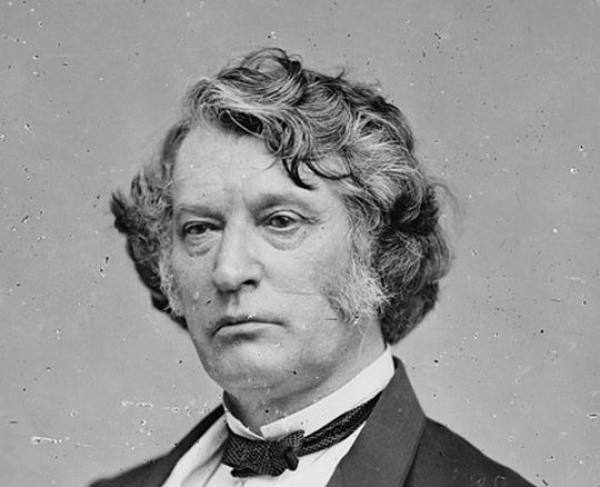
Introduction
Charles Sumner (1811–1874) was an American politician and statesman who played a key role in the anti-slavery movement and the fight for civil rights during the 19th century.
Early Life and Education
Born in Boston, Sumner was well-educated and studied law at Harvard University. He became involved in politics in the 1840s and was elected to the United States Senate from Massachusetts in 1851. As a senator, Sumner became known as one of the leading opponents of slavery in the United States.
Advocacy Against Slavery
Sumner was an eloquent speaker and writer, and he used his platform in the Senate to denounce slavery and to call for its abolition. He was a strong supporter of the anti-slavery movement and worked closely with other abolitionists, including Frederick Douglass.
The Caning Incident
In 1856, Sumner gave a famous speech on the Senate floor in which he denounced the pro-slavery forces in Kansas and attacked several pro-slavery senators by name. One of these senators, Preston Brooks of South Carolina, took offense to Sumner's speech and attacked him with a cane, leaving him severely injured.
Continued Advocacy for Civil Rights
Despite the physical and emotional toll of the attack, Sumner continued to be a vocal advocate for the abolition of slavery and civil rights for all Americans. He was a key supporter of the Emancipation Proclamation and the Thirteenth Amendment to the Constitution, which abolished slavery throughout the United States.
Post-Civil War Efforts
After the Civil War, Sumner became involved in the fight for civil rights for African Americans. He supported the Fifteenth Amendment, which granted African American men the right to vote, and he spoke out against efforts to limit their political power and civil rights.
Support for International Peace
Sumner was also a strong advocate for international peace and human rights. He was a key supporter of the Geneva Convention and worked to establish an international arbitration system to resolve disputes between nations.
Challenges and Criticism
Despite his many accomplishments, Sumner faced criticism and opposition throughout his career. He was often criticized for his outspoken views on slavery and civil rights, and he faced political challenges from both Democrats and conservative Republicans.
Discussion Questions
- Why was Charles Sumner such a strong opponent of slavery?
- What happened to Sumner after he gave a speech in the Senate in 1856?
- How did Sumner continue to fight for civil rights after the Civil War?
- Why do you think some people opposed Sumner's ideas, even though he was fighting for equality?
Who Was Charles Sumner?
Charles Sumner was a U.S. senator from Massachusetts known for fighting against slavery and standing up for civil rights in the 1800s.
Early Life
He was born in Boston, studied law at Harvard, and became involved in politics in the 1840s. In 1851, he became a senator and started speaking out strongly against slavery.
A Powerful Voice
Sumner gave speeches and wrote articles demanding an end to slavery. He worked with other famous abolitionists, including Frederick Douglass.
The Caning Incident
In 1856, after criticizing slavery and some senators in a speech, Sumner was attacked and badly beaten by Congressman Preston Brooks. Despite this, he returned to work and kept fighting for justice.
Helping End Slavery
Sumner supported Abraham Lincoln and helped pass the Thirteenth Amendment, which ended slavery in the U.S.
After the Civil War
He pushed for voting rights for Black men and fought laws that tried to take those rights away. He supported the Fifteenth Amendment, which protected those voting rights.
A World Peacemaker
Sumner also supported peace and fairness between countries. He backed the Geneva Convention and wanted peaceful ways to settle international disputes.
Opposition and Legacy
Many people didn’t agree with his ideas, and he faced criticism. But his efforts helped shape America’s civil rights progress.