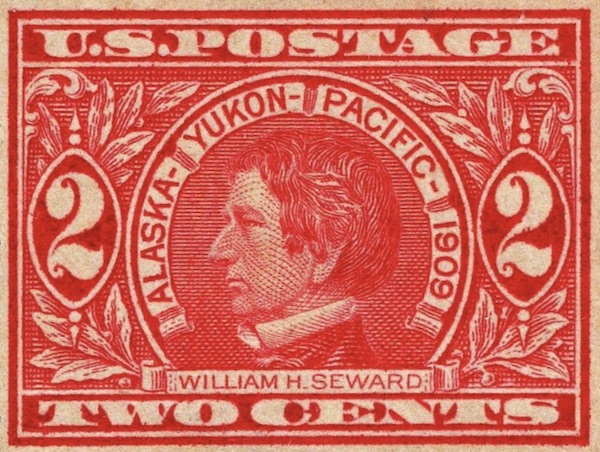
William H. Seward |
|
IntroductionWilliam H. Seward was a prominent American politician and statesman in the mid-19th century who served as the Secretary of State under President Abraham Lincoln and his successor, Andrew Johnson. He was an influential figure in American politics during a time of great change and turmoil, and played a significant role in shaping the nation's foreign policy during the Civil War and Reconstruction eras. Early Life and EducationBorn in Florida, New York, in 1801, Seward was the son of a wealthy farmer and merchant. He graduated from Union College in Schenectady in 1820, and went on to study law. After being admitted to the bar, he established a successful legal practice in Auburn, New York, and became involved in politics as a member of the Whig Party. Political Career and ReformSeward was elected to the New York State Senate in 1830, where he quickly established a reputation as a progressive reformer. He championed causes such as prison reform, education, and abolitionism, and was an outspoken opponent of slavery. Governor of New YorkIn 1838, Seward was elected Governor of New York, a position he held for two terms. During his tenure, he continued to push for reforms, including the establishment of a statewide public education system and the abolition of slavery in New York. Anti-Slavery StanceSeward's anti-slavery views made him a controversial figure, particularly in the South. In 1850, he gave a famous speech in the Senate in which he declared that "there is a higher law than the Constitution," referring to his belief that slavery was a moral wrong that could not be tolerated under any circumstances. Presidential Aspirations and Secretary of StateDespite his controversial views, Seward was a skilled politician and was chosen as the Republican Party's candidate for president in 1860. Although he ultimately lost the nomination to Abraham Lincoln, he was chosen as Lincoln's Secretary of State after the election. Role During the Civil WarAs Secretary of State, Seward played a critical role in managing America's foreign policy during the Civil War. He worked to prevent European powers from recognizing the Confederacy and intervened in conflicts such as the Trent Affair, in which two Confederate diplomats were captured aboard a British ship. Assassination AttemptOn April 14th, 1865, Seward was severely wounded by Lewis Powell in his Washington home as part of a larger plan hatched by John Wilkes Booth to assassinate the important members of the United States Government. While Seward survived, President Lincoln was killed. Post-War Diplomacy and Alaska PurchaseAfter the Civil War, Seward played a key role in negotiating the purchase of Alaska from Russia, which was widely criticized at the time but is now considered a shrewd strategic move. He also worked to expand American influence in Asia and Latin America, and played a role in the establishment of the International Red Cross. Learn more about the Alaska Purchase Retirement and LegacySeward retired from politics in 1869, but remained an influential figure in American public life until his death in 1872. He was widely respected for his intellect, his political acumen, and his commitment to progressive reform. Discussion Questions
Who Was William H. Seward?William H. Seward was an important American leader in the 1800s. He served as Secretary of State under Presidents Abraham Lincoln and Andrew Johnson and helped guide U.S. foreign policy during the Civil War and Reconstruction. Early Life and CareerSeward was born in New York in 1801. He became a lawyer and joined politics as a member of the Whig Party. He was elected to the New York State Senate and later became the governor of New York, where he supported education and ending slavery. Views on SlaverySeward was strongly against slavery. He believed it was wrong and gave a famous speech saying there was a “higher law” than the Constitution when it came to human rights. Secretary of State and the Civil WarAlthough he didn’t become president, Seward became Secretary of State when Lincoln won. During the Civil War, he worked hard to keep foreign countries from helping the Confederacy. Assassination AttemptOn the same night President Lincoln was killed, Seward was attacked in his home by a man named Lewis Powell. Though he was badly hurt, Seward survived. Buying Alaska and Later LifeAfter the war, Seward helped the U.S. buy Alaska from Russia, a decision people laughed at at the time but later saw as smart. He also worked on improving international relations before retiring from politics in 1869. LegacyWilliam Seward died in 1872. Today, he is remembered for fighting against slavery, shaping U.S. foreign policy, and helping expand the country’s territory. |