The Gilded Age
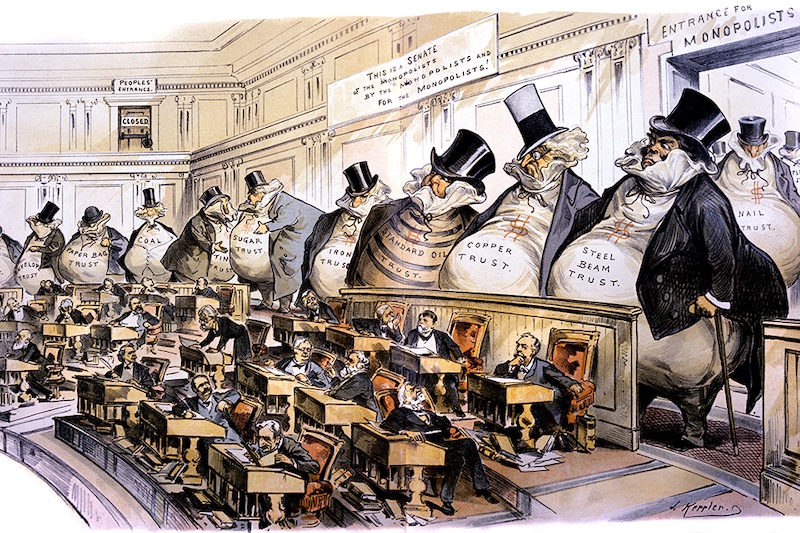
“The Bosses of the Senate” (1889) by Joseph Keppler The Gilded AgeThe Gilded Age was a period in American history that stretched from the 1870s to about 1900. It was a time of rapid change, big opportunities, and deep problems. On the surface, the United States looked rich and shining, like something covered in gold. Underneath, however, many people struggled with poverty, unfair working conditions, and political corruption. This contrast is why the writer Mark Twain called it the “Gilded Age.” During these years, new inventions, factories, and railroads transformed the economy. Business leaders like Andrew Carnegie and John D. Rockefeller built huge companies and made enormous fortunes. Millions of immigrants arrived, hoping for better lives, and crowded into growing cities. Skyscrapers, electric lights, and streetcars changed everyday life for many Americans. At the same time, workers organized labor unions to demand safer workplaces and better pay. Farmers formed movements to fight against high railroad rates and low crop prices. In the South, African Americans faced harsh segregation laws and violence that limited their rights and freedoms. Native American communities were pushed off their lands as the United States expanded westward. The Gilded Age set the stage for the Progressive Era that followed, when reformers tried to solve many of these problems. Understanding this time helps us see how the modern United States was shaped by both great wealth and serious inequality. By studying the Gilded Age, we can better understand today’s debates about opportunity, fairness, and the power of big business.
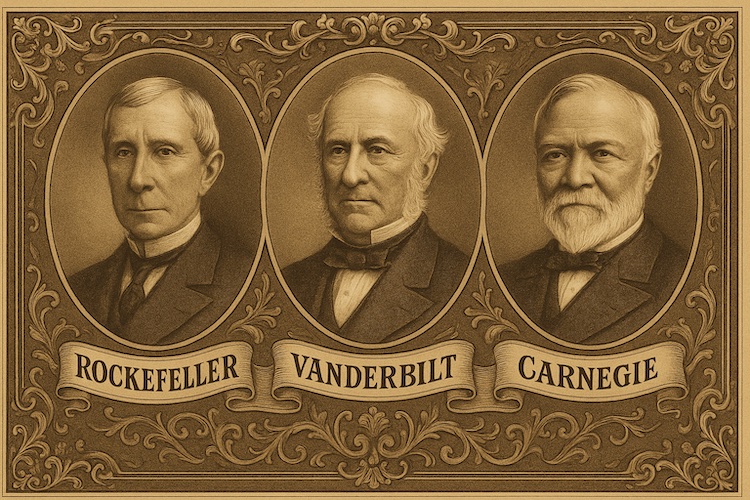
Robber Barrons, or, industry leaders? Discussion Questions
The Gilded AgeThe Gilded Age was a period in the United States from the 1870s to about 1900. It was called “gilded” because the country looked shiny and successful on the outside, but underneath there were many problems. This was a time of fast growth, new inventions, and big businesses. Growth and ChangeFactories, railroads, and cities grew quickly. Business leaders like Andrew Carnegie and John D. Rockefeller became extremely rich. Many immigrants arrived hoping for better lives, and cities became crowded and busy. Electric lights, tall buildings, and streetcars made daily life feel more modern. Problems and ChallengesNot everyone benefited from this growth. Workers often had long hours, low pay, and unsafe working conditions. Many joined labor unions to fight for better treatment. Farmers struggled with falling crop prices, and African Americans in the South faced unfair laws and violence. Native American groups were pushed off their lands as the country expanded. Why It MattersThe Gilded Age was a time of both great progress and serious problems. Studying this period helps us understand how the modern United States was shaped. |