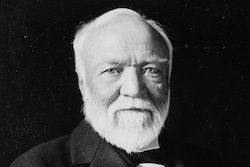
Andrew Carnegie was a Scottish-American industrialist who led the expansion of the U.S. steel industry in the late 1800s. He later became one of the world’s greatest philanthropists, giving away most of his fortune to build libraries, schools, and universities.
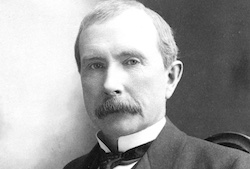
John D. Rockefeller was an American businessman who founded Standard Oil and became one of the richest men in history. He later devoted much of his wealth to philanthropy, funding medical research, education, and public health initiatives.
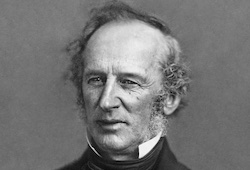
Cornelius Vanderbilt was a powerful American industrialist who built his fortune in the shipping and railroad industries during the 19th century. His business decisions and investments helped shape modern transportation in the United States.
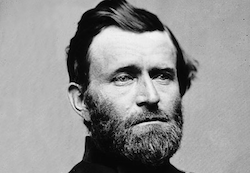
Ulysses S. Grant served as president during the early Gilded Age, focusing on Reconstruction and civil rights for formerly enslaved people. However, his presidency was also marked by economic challenges and several political scandals involving members of his administration.
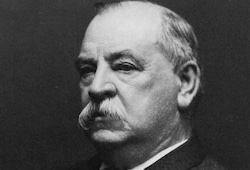
Grover Cleveland was the only U.S. president to serve two nonconsecutive terms during the Gilded Age, known for his fight against political corruption and his push for government reform. He believed in limited government and often used his veto power to stop bills he thought were wasteful or unconstitutional.
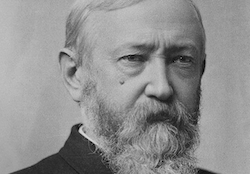
Benjamin Harrison served as president during the Gilded Age and oversaw the admission of six new states into the Union. His administration supported high tariffs and the Sherman Antitrust Act, which aimed to reduce the power of large monopolies.
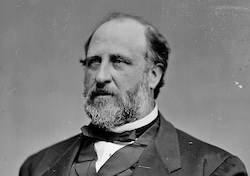
Boss Tweed was a powerful political leader in New York City who ran the Tammany Hall political machine during the Gilded Age. He became infamous for corruption and stealing millions of dollars from the city through fraud and unfair contracts.
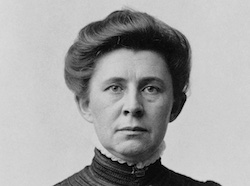
Ida Tarbell was a pioneering investigative journalist and leading muckraker who exposed unfair business practices during the Gilded Age. Her detailed reports on Standard Oil helped bring attention to monopolies and led to greater public demand for reform.
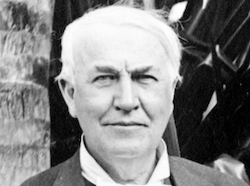
Thomas Edison was an American inventor best known for developing the electric light bulb, phonograph, and motion picture camera. He held over 1,000 patents and played a major role in shaping modern life through his innovations.
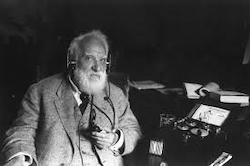
Alexander Graham Bell was an inventor and scientist best known for inventing the first practical telephone in 1876. He also worked on groundbreaking projects in communication for the deaf, aviation, and hydrofoils.
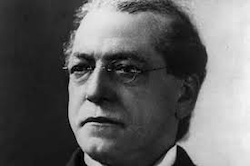
Samuel Gompers was a labor leader who founded the American Federation of Labor (AFL) to improve working conditions for employees. He focused on fair wages, shorter work hours, and safer workplaces by using collective bargaining and organized strikes.