Sherman Antitrust Act |
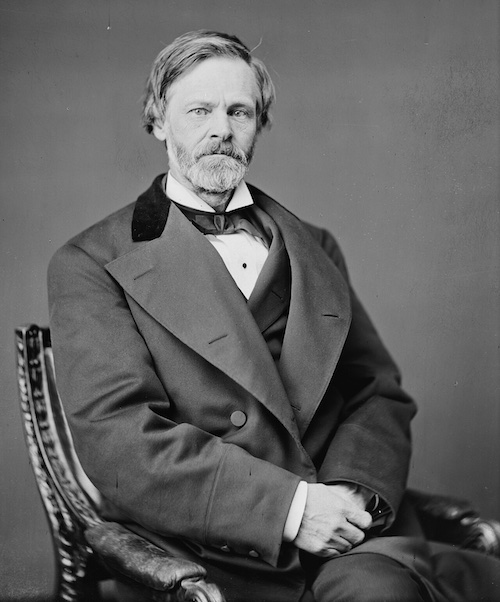
John Sherman |
Big Business and MonopoliesDuring the Gilded Age, a few powerful business leaders controlled huge parts of the American economy. John D. Rockefeller’s Standard Oil, Andrew Carnegie’s steel company, and other large corporations grew into monopolies, meaning they controlled almost all of one industry. Without competition, they could raise prices, lower wages, and push smaller companies out of business. Many Americans began to worry that these monopolies threatened both the economy and democracy.
Standard Oil was broken up as a result of the Sherman Antitrust Act Calls for Government ActionFarmers, workers, and small business owners demanded that the federal government step in. They argued that the Constitution gave Congress the power to regulate trade between states. Reformers believed that only national laws could control giant companies that operated across the country. Passing the Sherman Antitrust ActIn 1890, Congress passed the Sherman Antitrust Act, named after Senator John Sherman of Ohio. The law made it illegal to form “combinations” or “conspiracies” that restrained trade. In simple terms, it said that businesses could not work together to fix prices, limit competition, or create monopolies. The act gave the government the power to take companies to court and break them up if necessary. Early Enforcement ProblemsAt first, the Sherman Act was not very strong. Courts often sided with big business, and some judges even used the law against labor unions, claiming that strikes hurt trade. However, over time, new presidents and reformers began using the act more aggressively. In the early 1900s, President Theodore Roosevelt became known as a “trust buster” for breaking up several large companies. Long-Term ImportanceThe Sherman Antitrust Act was the first major law to limit the power of big business in the United States. It set the foundation for later antitrust laws that still exist today. The act showed that the government had a responsibility to protect competition and prevent any single company from becoming too powerful. Timeline
Glossary
Discussion Questions
Too Much PowerIn the Gilded Age, a few very large companies controlled whole industries. Standard Oil controlled most of the oil, and other big companies controlled steel, railroads, and more. These monopolies could raise prices and crush smaller businesses. A New LawMany Americans wanted the government to stop these powerful companies. In 1890, Congress passed the Sherman Antitrust Act. This law said that it was illegal for businesses to join together to limit competition or create a monopoly. Early ProblemsAt first, the law was not used very well. Some judges used it against labor unions instead of big companies. Still, the act was important because it was the first national law to control big business. Why It MattersLater presidents, like Theodore Roosevelt, used the Sherman Act to break up powerful trusts. Today, antitrust laws still help keep businesses from becoming too strong and protect consumers from unfair prices. Timeline
Glossary
Discussion Questions
|