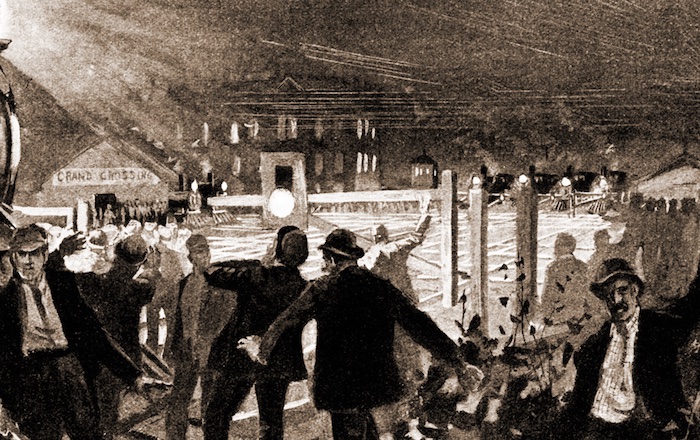
Haymarket Square Riot |
|
Demanding Better ConditionsDuring the Gilded Age, factory workers faced long hours, low wages, and unsafe conditions. Labor unions began organizing strikes and protests to demand an eight-hour workday. One of the most famous protests happened in Chicago and became known as the Haymarket Square Riot. The Protest BeginsOn May 1, 1886, thousands of workers across the United States went on strike. In Chicago, workers gathered for several days to protest peacefully. On May 4, they held a rally at Haymarket Square. The crowd included workers, labor leaders, and even some families. A Bomb ExplodesAs police arrived to break up the rally, someone threw a bomb into the crowd. The explosion caused chaos. Police opened fire, and several workers and police officers were killed. To this day, the identity of the bomber is unknown. Public ReactionNewspapers across the country blamed labor unions and portrayed them as violent. Eight labor leaders were arrested and put on trial, even though there was little evidence against them. Four were executed. Many Americans began to fear unions, which caused union membership to drop for several years. A Lasting LegacyAlthough the Haymarket Riot was tragic, it had a major impact on history. Workers around the world began to recognize May 1 as International Workers’ Day. The event also helped strengthen the labor movement over time. It reminded people that workers deserved fair treatment and a voice in their workplaces. Timeline
Glossary
Discussion Questions
Why Workers ProtestedIn the late 1800s, factory workers had long hours and low pay. Many wanted an eight-hour workday and safer jobs. They began to organize strikes and protests to demand better treatment. A Protest in ChicagoOn May 4, 1886, workers held a peaceful rally at Haymarket Square in Chicago. They gathered to speak about labor rights. Police came to break up the rally. A Sudden ExplosionSuddenly, someone threw a bomb into the crowd. No one knows who did it. The explosion caused panic. Police began shooting, and several people were killed on both sides. Unfair BlameNewspapers blamed labor unions for the violence. Eight labor leaders were arrested, even though there was little proof against them. Many people began to fear unions and strikes. Long-Term ImportanceEven though it was a tragic event, the Haymarket Riot helped the labor movement grow. Today, May 1 is known around the world as International Workers’ Day to honor workers and their rights. Timeline
Glossary
Discussion Questions
|