The Rise of the Political Machine |
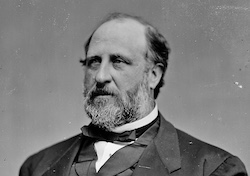
Boss Tweed |
What Were Political Machines?During the Gilded Age, American cities were growing quickly. Many immigrants arrived and needed jobs, housing, and legal help. In this chaotic time, political organizations called political machines gained power. These groups controlled local governments and helped people—but often demanded votes in return. How They WorkedPolitical machines were run by a powerful leader called a boss. The most famous was Boss William “Boss” Tweed of New York City’s Tammany Hall. Machines gave people food, coal in winter, or help finding jobs. In exchange, citizens were expected to vote for the machine’s candidates during elections.
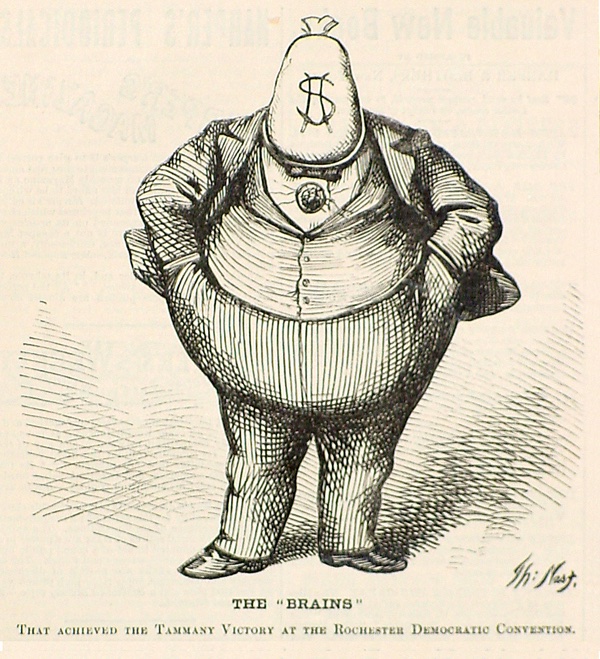
Famous Political Cartoon Featuring Boss Tweed - by Thomast Nast (1871) - Public Domain Corruption and PowerOver time, political machines became corrupt. They used bribes, fake votes, and illegal deals to stay in control. Bosses often stole money from city budgets. Boss Tweed, for example, forced the government to pay millions of dollars for buildings that cost much less to build. Why People Supported ThemEven though political machines were corrupt, many immigrants and poor citizens depended on them. Often, machines were the only groups willing to help new arrivals who did not speak English or understand American laws. For many families, machines acted like a safety net. Reform and ChangeEventually, journalists known as “muckrakers” exposed corruption. Citizens demanded change, and new laws were passed to limit political power. Civil service exams were introduced so government jobs would be based on skill, not loyalty. The influence of political machines slowly began to weaken. Timeline
Glossary
Discussion Questions
What They WereIn the late 1800s, big cities were growing quickly. Many immigrants needed jobs and help. Political machines were groups that promised to help people— but wanted votes in return. The LeadersThe machines were led by powerful men called bosses. The most famous boss was Boss Tweed of New York City. He helped people find jobs, food, or housing—but also used government money for himself. The ProblemPolitical machines became dishonest. They cheated elections and stole money. They controlled who got government jobs, even if the person was not skilled. Fighting CorruptionJournalists called muckrakers wrote news stories exposing the corruption. New laws were passed to stop unfair practices and require skill tests for government jobs. Why They MatteredPolitical machines helped many immigrants—but also hurt democracy. They showed how power can be used both for help and for greed. Timeline
Glossary
Discussion Questions
|