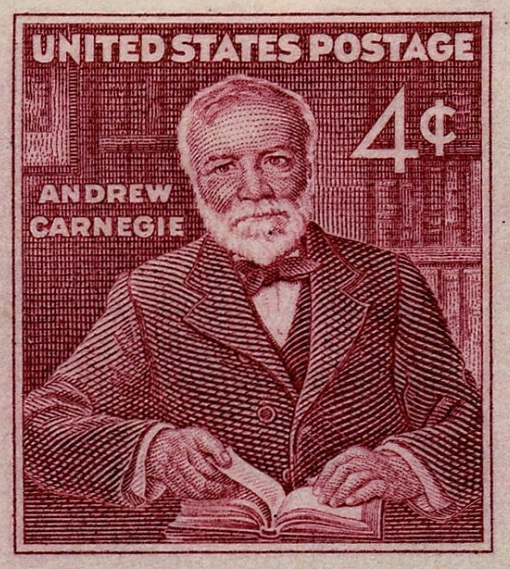
Andrew Carnegie |
|
From Immigrant to Industrial LeaderAndrew Carnegie was born on November 25, 1835, in Scotland. His family was poor, and when he was 13, they immigrated to the United States in search of a better life. Carnegie started working in a factory as a child and earned just $1.20 a week. However, he studied hard, read books, and worked his way up. As a young man, he invested his money wisely and looked for opportunities to grow. The Rise of the Steel IndustryCarnegie noticed that steel was becoming very important for railroads, buildings, and bridges. In the 1870s, he started the Carnegie Steel Company, which used new technology to make steel faster and cheaper. As demand for steel grew, Carnegie’s company became the largest steel producer in the United States. By the 1890s, he was one of the richest men in the world.
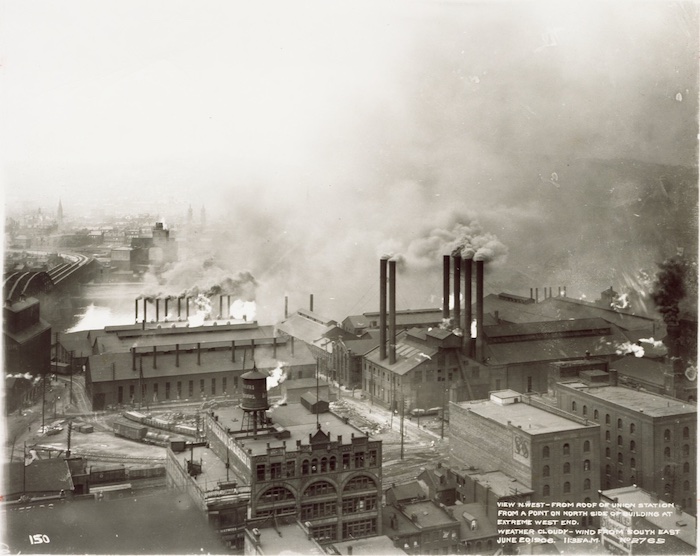
Pittsburgh Steel Mill in 1906 - Public Domain Controversy and SuccessEven though Carnegie’s factories helped build America, working conditions were often harsh. Workers faced long hours, low pay, and dangerous machines. In 1892, the Homestead Strike at one of his steel mills turned violent. Some people criticized Carnegie for putting profits over worker safety. However, others praised him for building strong industries and helping the U.S. economy grow. The “Gospel of Wealth”Carnegie believed that wealthy people had a duty to help others. He wrote an essay called the Gospel of Wealth, which explained that the rich should use their money to improve society. Carnegie spent the last part of his life giving away nearly all of his fortune. He donated money to build libraries, schools, and the Carnegie Foundation. In total, he gave away over $350 million. Famous Quote“The man who dies rich dies disgraced.” Timeline
Glossary
Discussion Questions
A Poor Immigrant BoyAndrew Carnegie was born in 1835 in Scotland. His family was poor, and when he was 13, they moved to America for a better life. Carnegie worked in a factory and earned very little money, but he was determined to succeed. He read many books and saved his earnings so he could invest in new businesses. Steel and SuccessCarnegie saw that steel was needed for buildings, railroads, and bridges. In the 1870s, he started the Carnegie Steel Company. His company grew quickly and used new machines to make steel cheaply. Carnegie became one of the richest men in the world—but factory workers had long hours and hard jobs. The Homestead Strike in 1892 showed that workers wanted better conditions. Helping OthersCarnegie later believed that rich people should use their money to help society. He gave away most of his fortune to build libraries, schools, and charities around the world. Because of his generosity, he is often remembered as one of the greatest philanthropists in history. Famous Quote“No man can become rich without himself enriching others.” Timeline
Glossary
Discussion Questions
|