Boss Tweed |
|
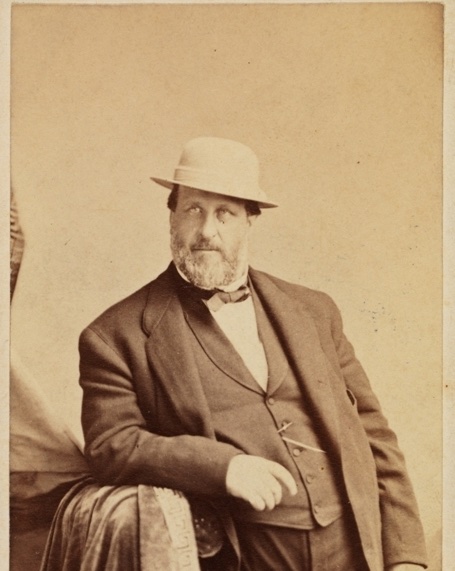
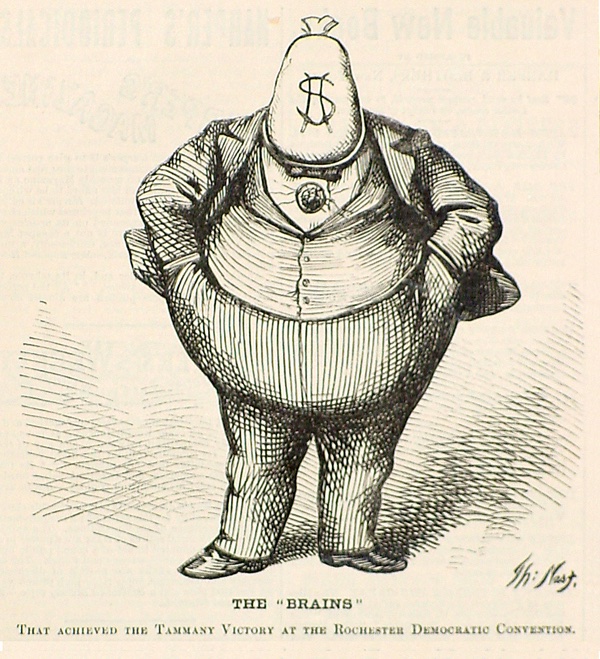
Who Was Boss Tweed?William Magear Tweed, better known as Boss Tweed, was born on April 3, 1823, in New York City. He started his career as a bookkeeper and volunteer firefighter, but he soon entered politics. By using friendships, promises, and deals, he rose to power and became one of the most famous political leaders of the Gilded Age. Tammany Hall and Political MachinesTweed became the leader of Tammany Hall, a powerful political machine in New York City. Political machines helped immigrants find jobs and housing, but they expected votes in return. Tammany Hall controlled elections, city contracts, and government jobs. Tweed was praised by some for helping the poor, but he was also accused of using tax money for personal gain. Corruption and ScandalBoss Tweed and his allies stole millions of dollars from New York City. They used fake bills, overpriced construction projects, and bribes to make money. The most famous example was the construction of the New York County Courthouse, which cost over $13 million—but should have cost only $250,000. Tweed became extremely wealthy while the city fell into debt. Being ExposedJournalist Thomas Nast, a political cartoonist for Harper’s Weekly, drew cartoons that exposed Tweed’s corruption. Nast’s cartoons were powerful because many immigrants could not read English—but they could understand pictures. Public anger grew, and Tweed was arrested in 1871 and later put on trial.
Famous Political Cartoon by Thomas Nast Exposing Boss Tweed Fall and LegacyBoss Tweed was convicted of corruption and sent to prison. He escaped once but was caught in Spain when officials recognized him from a political cartoon. He died in jail in 1878. Tweed is remembered as a symbol of political corruption—but also as a reminder of how journalism and public pressure can challenge powerful leaders. Famous Quote“I don’t care who does the electing, so long as I get to do the nominating.” Timeline
Glossary
Discussion Questions
Rising to PowerWilliam “Boss” Tweed was born in New York City in 1823. As a young man, he worked several jobs before joining politics. He became the leader of **Tammany Hall**, a political machine that helped immigrants—but also demanded votes in return. A Powerful but Corrupt LeaderTweed used his power to control city jobs, elections, and money. He and his friends stole millions of dollars from New York City. One courthouse cost over $13 million, even though it should have cost much less. While the city struggled, Tweed grew richer. Exposed by CartoonsA cartoonist named Thomas Nast began drawing pictures showing Tweed’s corruption. Many people could not read English, but they understood the cartoons. Public anger grew, and Tweed was arrested in 1871. The End of His PowerTweed was sent to prison but escaped once. He was caught in Spain when police recognized him from a cartoon. He died in jail in 1878. Today, he is remembered as a warning about corruption and the power of the press. Famous Quote“I don’t care who does the electing, so long as I get to do the nominating.” Timeline
Discussion Questions
|