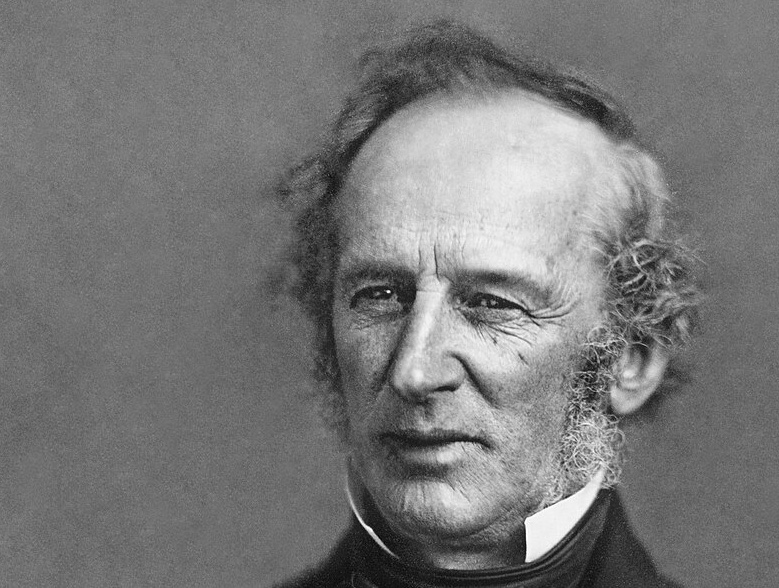
Cornelius Vanderbilt |
|
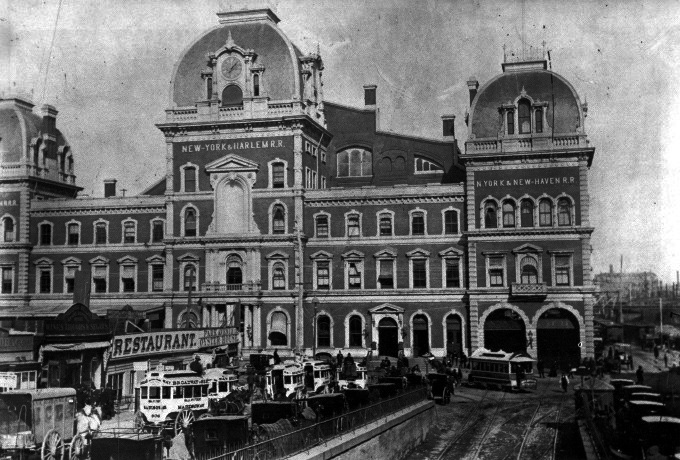
Humble BeginningsCornelius Vanderbilt was born on May 27, 1794, on Staten Island, New York. He came from a poor family and left school at age 11 to help his father with their boat. At age 16, he borrowed money to start a small ferry business and quickly earned the nickname “Commodore” for his success on the water. From an early age, he believed that hard work and courage could build great success. Success in SteamboatsVanderbilt entered the steamboat industry and soon dominated it. He competed fiercely, lowering prices until his rivals were forced to sell or join him. He earned millions by improving transportation and making travel faster and cheaper. His business sense helped connect major cities and improve trade across the country. Rise of the RailroadsIn the 1860s, Vanderbilt switched from steamboats to railroads, recognizing they were the future of transportation. He began buying struggling rail lines and reorganizing them to make them more efficient. He created strong rail networks that connected New York City to Chicago and the Midwest. His company built Grand Central Depot, which later became Grand Central Station—an important landmark in American transportation.
Grand Central Depot - 1880 - Public Domain Reputation and LegacyVanderbilt was known for being tough and aggressive in business. Some called him a “robber baron” because he crushed competitors. Others called him a “captain of industry” because his railroads helped America grow. Before he died, Vanderbilt donated money to build Vanderbilt University in Tennessee. He proved that a poor boy with little education could become one of the richest men in the world. Famous Quote“What do I care about law? Ain’t I got the power?” Timeline
Glossary
Discussion Questions
Early LifeCornelius Vanderbilt was born in 1794 in New York. His family was poor, and he left school at age 11 to work. When he was only 16, he borrowed money to start a small ferry business, carrying people across the water. He became known as “Commodore” because of his success with boats. Steamboats and RailroadsVanderbilt made millions of dollars using **steamboats**, which were faster than regular boats. Later, he moved into the **railroad business**, believing trains were the future. He bought railroads and made them more efficient. His work helped connect cities and made travel across the country easier. His company also helped build **Grand Central Depot**, which later became Grand Central Station in New York City. LegacySome people said Vanderbilt used unfair methods in business. Others believed he helped America grow by improving transportation. Near the end of his life, he donated money to create Vanderbilt University. He died in 1877 as one of the richest men in America. Famous Quote“I don’t believe you can make a profit unless you run a monopoly.” Timeline
Discussion Questions
|