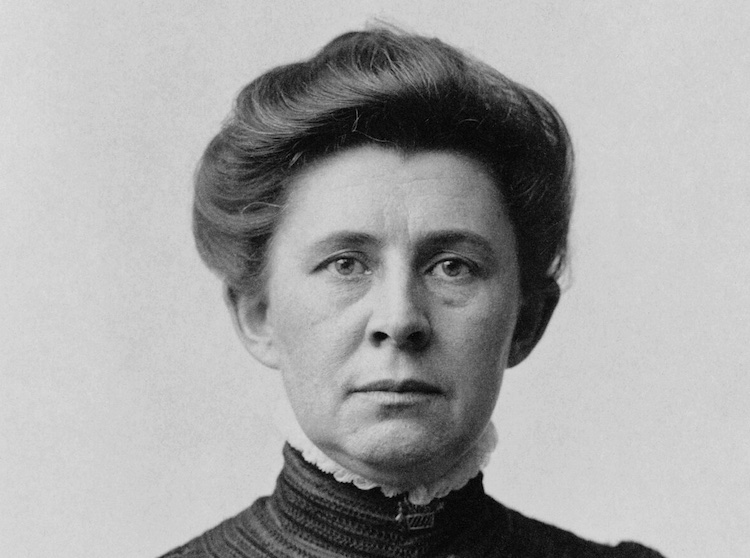
Ida Tarbell |
|
Early Life and EducationIda Tarbell was born on November 5, 1857, in Pennsylvania. Her father owned a small oil company, and she saw firsthand how big businesses, especially Standard Oil, pushed smaller companies out of business. She attended Allegheny College and became one of the few female college graduates of her time. After working as a teacher and writer, Tarbell moved to Paris to study and begin her career in journalism. Becoming a MuckrakerTarbell returned to the United States and joined McClure’s Magazine. There, she began a groundbreaking investigation into John D. Rockefeller and Standard Oil. Over several years, she collected evidence showing how Standard Oil used unfair tactics—such as secret deals, price cuts, and pressure on smaller businesses—to form a monopoly. Her writing made her one of the most important muckrakers of the Progressive Era. The History of Standard OilFrom 1902 to 1904, Tarbell published a series of articles titled The History of the Standard Oil Company. It revealed details about Rockefeller’s aggressive business methods and shocked the American public. Many people began to demand government action. Her investigation helped inspire the Sherman Antitrust Act to be used more strongly against monopolies. In 1911, the Supreme Court ordered Standard Oil to be broken up. Legacy and ImpactTarbell became a symbol of honest journalism and stood for fairness in business. She proved that one writer, using facts and persistence, could challenge the most powerful corporations in America. Later in life, she wrote books, gave lectures, and continued to support honesty in government and business. She did not hate Rockefeller personally—she believed the issue was how much power one company should have in a free country.
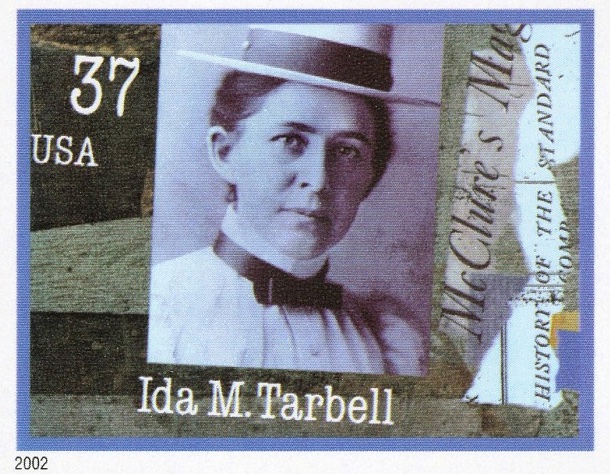
Ida Tarbell U.S. Postage Stamp Famous Quote“The first and most important step toward success is the feeling that we can succeed.” Timeline
Glossary
Discussion Questions
Early LifeIda Tarbell was born in 1857 in Pennsylvania. Her father owned a small oil business, but she saw how big companies like Standard Oil forced smaller businesses to close. This experience made her interested in justice and fairness. Becoming a JournalistAfter graduating from college, Tarbell became a writer and journalist. She joined McClure’s Magazine and began studying how Standard Oil became so powerful. She found that the company used secret deals and unfair methods to become a monopoly. Exposing Standard OilFrom 1902 to 1904, she wrote a famous series called The History of the Standard Oil Company. It shocked Americans and helped the government break Standard Oil into smaller companies. She proved that a single journalist could stand up to a huge corporation. Her LegacyIda Tarbell believed that honesty and evidence could change the world. She later wrote books and gave speeches that encouraged fairness in business. She is remembered as one of the most important journalists in American history. Famous Quote“Imagination is the only key to the future.” Timeline
Discussion Questions
|