Edmund Randolph |
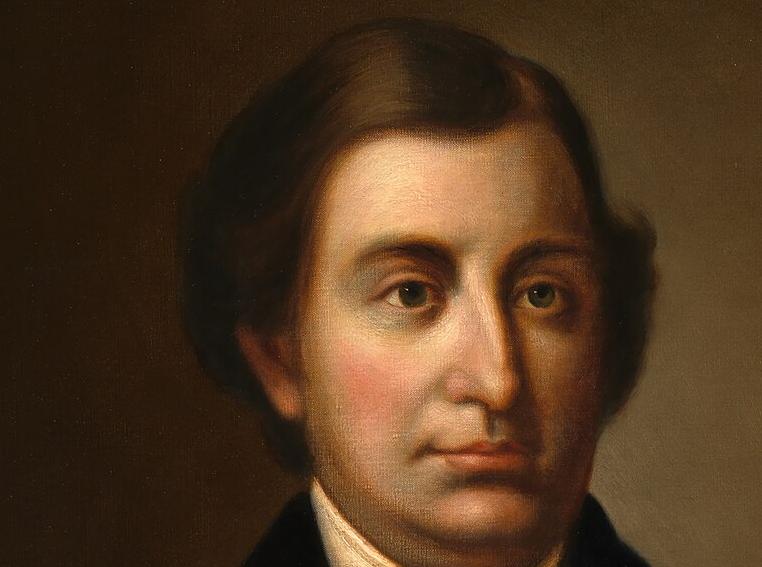 |
Early Life and EducationEdmund Randolph was born on August 10, 1753, in Williamsburg, Virginia, into a prominent colonial family. His father, John Randolph, was a loyalist, but Edmund chose to support the American Revolution. He attended the College of William and Mary and studied law under his uncle, Peyton Randolph, who was the first President of the Continental Congress. Following his uncle's death, Randolph took over his law practice and quickly became an influential figure in Virginia politics. Role in the American RevolutionDuring the American Revolution, Randolph served as an aide-de-camp to General George Washington. Despite his youth, he demonstrated strong legal and leadership abilities. He was appointed as the Attorney General of Virginia in 1776, a position that enabled him to influence state legislation during a time of immense change and upheaval. His support of the revolutionary cause marked a significant break from his family's loyalist leanings. Contributions to the ConstitutionRandolph played a pivotal role in the Constitutional Convention of 1787. As head of the Virginia delegation, he introduced the Virginia Plan, which proposed a strong national government with three separate branches. Although he ultimately refused to sign the final version of the Constitution—citing the absence of a Bill of Rights—his contributions helped shape the document’s initial framework. He later supported the Constitution after the Bill of Rights was promised. Public Service and Legal CareerUnder President George Washington, Randolph served as the first U.S. Attorney General from 1789 to 1794. He was later appointed Secretary of State following Thomas Jefferson’s resignation. His tenure was marked by challenges, particularly in foreign affairs, and he resigned in 1795 amidst controversy related to the Jay Treaty and allegations of improper dealings with France, though no wrongdoing was proven. Later Years and LegacyAfter leaving national office, Randolph returned to private law practice in Virginia and remained a respected legal mind. He argued several cases before the Supreme Court and continued to influence American legal thought. Randolph died on September 12, 1813. Though not as widely known as some of his contemporaries, his contributions to American law and the founding framework of the United States remain significant. Early Life and EducationEdmund Randolph was born on August 10, 1753, in Williamsburg, Virginia, to a well-known colonial family. His father supported Britain, but Edmund chose to back the American Revolution. He went to the College of William and Mary and studied law with his uncle, Peyton Randolph. After his uncle died, Edmund took over his law work and quickly became important in Virginia politics. Role in the American RevolutionDuring the Revolution, Randolph worked as an aide to General George Washington. Even though he was young, he showed strong legal and leadership skills. In 1776, he became Virginia’s Attorney General, helping to shape new state laws. His support for the revolution was a major break from his loyalist family background. Contributions to the ConstitutionRandolph was a key figure at the 1787 Constitutional Convention. Leading the Virginia group, he introduced the Virginia Plan, which called for a strong national government with three branches. He did not sign the final Constitution because it lacked a Bill of Rights, but later supported it once those rights were promised. Public Service and Legal CareerRandolph was the first U.S. Attorney General under President George Washington from 1789 to 1794. After that, he became Secretary of State. His time in office was difficult, especially in dealing with foreign issues. He resigned in 1795 after controversy around the Jay Treaty, though no wrongdoing was ever proven. Later Years and LegacyAfter leaving public office, Randolph returned to practicing law in Virginia. He remained respected and handled several cases before the Supreme Court. He died on September 12, 1813. Though not as famous as others from his time, his impact on American law and the Constitution was important. |