Fox (Meskwaki) Nation |
|
Origin of the NameThe name "Fox" was given to the tribe by French settlers who translated their name from a clan symbol—the “Red Fox.” However, the tribe calls themselves the Meskwaki, which means "Red Earth People." The name reflects their cultural and spiritual connection to the land and earth.
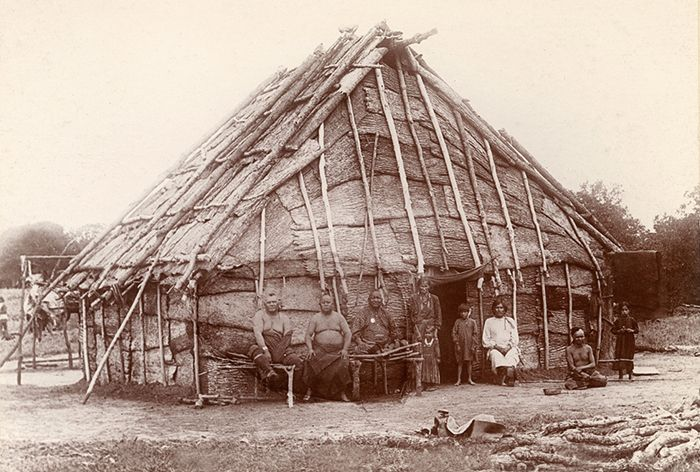
Fox (Meskwaki) Chief Wapello RangeOriginally, the Meskwaki lived in the Great Lakes region, especially around present-day Michigan, Wisconsin, and Illinois. By the 17th century, they had settled mainly in eastern Wisconsin. Due to warfare and displacement, many were later forced westward into Iowa, Kansas, and eventually Oklahoma. DietThe Fox people practiced agriculture and also hunted and gathered. They grew crops like corn, beans, and squash, but also relied heavily on hunting deer, elk, and small game. They fished in nearby lakes and rivers and gathered wild rice, berries, and nuts. Seasonal migration was common to take advantage of different food sources. Home TypeThe Meskwaki lived in wigwams - dome-shaped dwellings made from wooden frames covered with mats woven from cattail reeds or bark. In winter, they built more insulated homes, while in summer they often stayed in lighter, mobile shelters.
Fox (Meskwaki) Home CultureThe Fox were skilled artisans, known for their beadwork, birchbark containers, and painted hides. Men often hunted and defended the community, while women managed agriculture and domestic life. Clan membership and kinship were very important in social structure. Meskwaki culture was rich in oral tradition, ceremony, and spiritual belief. They believed in a world filled with spirits who influenced all aspects of nature. A key figure in their stories was Wisakea, a trickster spirit who helped shape the world and taught lessons through mischief. More About WisakeaWisakea (also spelled Wisakedjak or Wīhsakeh) is one of the most important figures in Meskwaki traditional stories. He is a trickster spirit—a character who is clever, funny, and sometimes foolish. Trickster stories are common in many Native American cultures, but Wisakea is unique to Algonquian-speaking peoples like the Meskwaki. Wisakea is believed to have helped shape the world after a great flood. In many tales, he works with animals to bring land up from the water to create the earth. He tries to make life better for humans, but his plans don’t always work the way he intends. Sometimes he gets into trouble because of his own curiosity or greed, which teaches important lessons. In one story, Wisakea tries to steal fire from a group of fire spirits and ends up burning himself and losing the fire. In another, he tries to outsmart animals like the wolf or bear but ends up being tricked himself. These stories were used by elders to teach children about values like respect, humility, and balance in life.
Although Wisakea can be silly or selfish, he is never truly evil. He represents the complex nature of human beings—capable of both mistakes and good deeds. His tales are still told today among the Meskwaki and other tribes as part of keeping their language and traditions alive. WarfareThe Fox were known as fierce warriors and resisted European encroachment with determination. One major conflict was the Fox Wars (early 1700s), when the tribe fought against French forces and their Native allies. The French viewed the Fox as a military threat, and the wars led to severe loss of life for the tribe. Despite this, they maintained their identity and autonomy longer than many neighboring tribes. Discussion Questions
Glossary
Origin of the NameThe Fox people call themselves the Meskwaki, which means "Red Earth People." French explorers called them "Fox" after one of their animal symbols, and the name stuck. But today, many still use their original name, Meskwaki. Where They LivedThe Meskwaki once lived around the Great Lakes—mainly in Michigan, Wisconsin, and Illinois. Over time, they were pushed west into places like Iowa and Oklahoma. What They AteThey were farmers, hunters, and gatherers. They grew corn, beans, and squash. They hunted deer and small animals, fished in rivers, and gathered wild rice, nuts, and berries. HomesThe Meskwaki lived in wigwams. These were round houses made of wood and covered with bark or mats. They were warm in winter and cool in summer. CultureThe Meskwaki had rich traditions. They told stories, sang songs, and had many spiritual beliefs. One important figure in their stories was Wisakea, a trickster spirit who helped shape the world and taught lessons through funny or silly mistakes. Fighting and WarsThe Meskwaki were strong fighters. In the 1700s, they fought the French in a series of battles called the Fox Wars. These wars caused many hardships, but the tribe survived and kept their identity. |