Illinois History |
|
|
|
Indigenous Roots and Early ExplorationIllinois, located in the midwestern region of the United States, has a rich and diverse history that spans thousands of years. The region was originally home to numerous indigenous tribes, including the Illiniwek, who gave the state its name. In the late 1600s and early 1700s, French explorers and fur traders arrived in the area, and by 1818, Illinois became the 21st state in the United States. 19th Century Growth and the Civil WarThroughout the 19th century, Illinois grew and prospered, becoming a major center for agriculture, manufacturing, and transportation. The state was a key player in the westward expansion of the United States, with the Illinois and Michigan Canal connecting Lake Michigan to the Mississippi River, and the growth of the railroad system connecting the state to the rest of the country. Abraham Lincoln lived and worked in Springfield, Illinois for much of his life, and won the nomination for president at the Republican National Convention in Chicago in 1860. During the Civil War, Illinois was a strong supporter of the Union cause, and over 250,000 Illinois men served in the Union army. Progressive Reform and Social ChangeIn the late 19th and early 20th centuries, Illinois became a hub of progressive reform, with efforts to improve working conditions, protect the environment, and promote social justice. The state was also at the forefront of the women's suffrage movement, and was the first state to ratify the 19th Amendment to the U.S. Constitution, which granted women the right to vote. During this time, Chicago was a hub for prohibition-era gangsters and bootleggers such as Al Capone. 20th Century DevelopmentDuring the 20th century, Illinois continued to grow and evolve, with the rise of new industries, such as automobiles and consumer goods, and the growth of its cities, including Chicago, the third largest city in the United States.
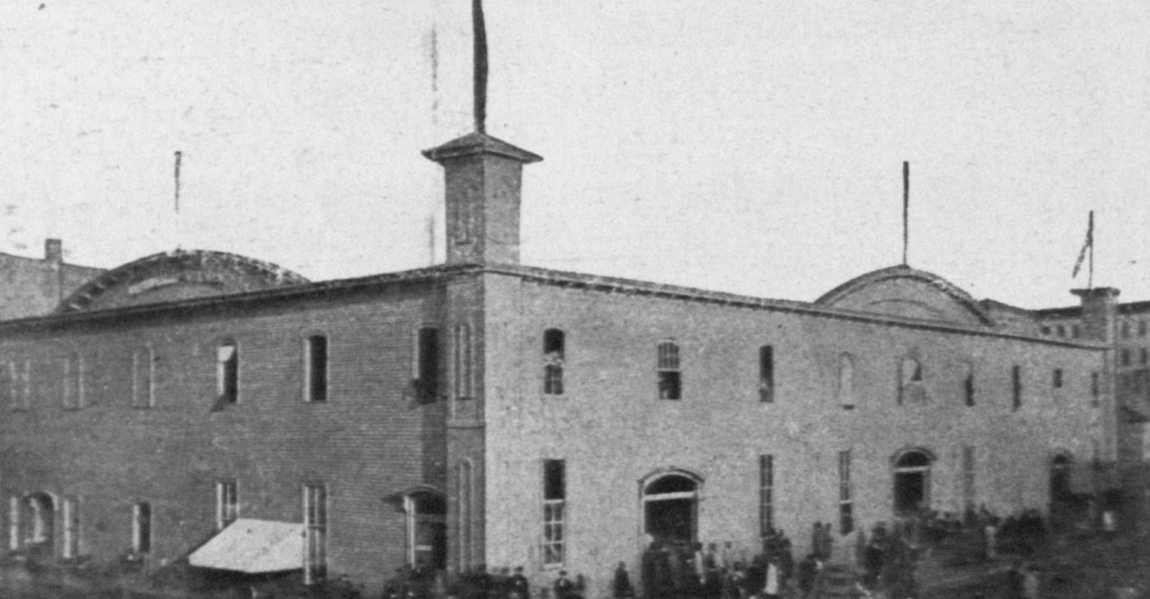
The Wigwam building that hosted the Republican National Convention of 1860 Discussion Questions
Glossary
Early HistoryIllinois was originally home to Native American tribes like the Illiniwek, who gave the state its name. In the late 1600s and early 1700s, French explorers and fur traders came to the area. Illinois became the 21st U.S. state in 1818. Growth in the 1800sDuring the 19th century, Illinois grew rapidly through farming, manufacturing, and transportation. The Illinois and Michigan Canal linked Lake Michigan to the Mississippi River, and railroads helped connect Illinois to the rest of the country. Abraham Lincoln lived in Springfield and was elected president in 1860. Illinois strongly supported the Union in the Civil War, with over 250,000 soldiers serving. Progress and ChangeIn the late 1800s and early 1900s, Illinois became known for progressive reforms. The state worked to improve jobs, protect nature, and support equal rights. Illinois was the first state to ratify the 19th Amendment, giving women the right to vote. At the same time, Chicago became known for crime during Prohibition, including gangsters like Al Capone. Modern IllinoisIn the 20th century, Illinois kept growing with new industries like cars and consumer products. Its cities, especially Chicago, became larger and more important. Today, Chicago is the third largest city in the U.S. |