Maryland History |
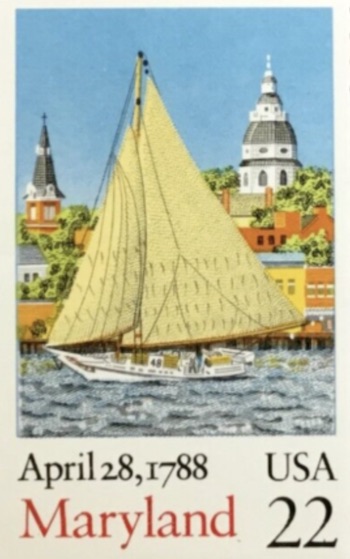 |
Maryland's Early InhabitantsMaryland is a state on the East Coast of the United States with a history spanning more than 350 years. Before Europeans arrived, Native American tribes such as the Piscataway and Susquehannock lived in the region for thousands of years. The Founding of MarylandIn 1634, English settlers established the colony of Maryland, naming it after Queen Henrietta Maria, wife of King Charles I. It became the first Catholic colony in the New World. After the Revolutionary War, Maryland became the 7th state to ratify the U.S. Constitution in 1788.
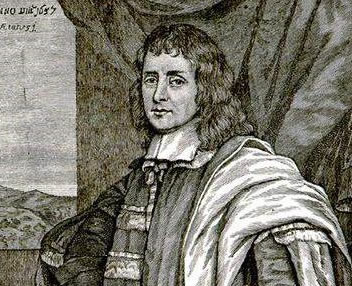
Lord Baltimore (founder of Maryland) Maryland in the 19th CenturyDuring the 1800s, Maryland industrialized rapidly, producing iron, textiles, machinery, and tobacco. The Civil War divided the state: Union supporters dominated the west, while the east had pro-slavery sympathies. Maryland never seceded from the Union. On September 17, 1862, the Battle of Antietam occurred in Sharpsburg, Maryland—the deadliest one-day battle in American history. After the battle, President Abraham Lincoln issued the Emancipation Proclamation, ensuring the end of slavery following the war. Modern Maryland and Its HeritageIn the 20th century, Maryland became a hub for technological advancements in aerospace, government, and biotechnology. The state also holds a rich cultural legacy, with historical sites such as the Antietam National Battlefield, the Chesapeake and Ohio Canal National Historical Park, and the Maryland State House. It is the birthplace of Harriet Tubman and Frederick Douglass, two key figures in American history.
Battle of Antietam - NPS.gov video Discussion Questions
Glossary
Five Interesting Facts About Maryland
Timeline of Maryland's History
Early History and FoundingMaryland, located on the East Coast, has a history of more than 350 years. Native American tribes such as the Piscataway and Susquehannock lived there long before Europeans arrived. In 1634, English settlers founded Maryland, naming it after Queen Henrietta Maria. It became the first Catholic colony in the New World and the 7th state to join the U.S. in 1788. 19th Century and Civil WarDuring the 1800s, Maryland grew as an industrial state, producing iron, textiles, and tobacco. The Civil War divided Maryland, but it stayed in the Union. The 1862 Battle of Antietam in Maryland became the bloodiest one-day battle in U.S. history. This battle led President Abraham Lincoln to issue the Emancipation Proclamation, which promised the end of slavery. Modern MarylandIn the 1900s, Maryland became a hub for technology, aerospace, and government work. Today, it is known for its historic sites like Antietam Battlefield and the Chesapeake and Ohio Canal Park. Maryland is also the birthplace of Harriet Tubman and Frederick Douglass, two major figures in American history. |