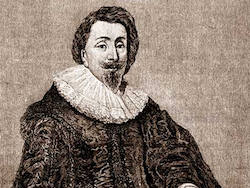
Lord Baltimore (George Calvert) was the founder of the Maryland Colony, which he intended as a refuge for English Catholics facing persecution. His son, Cecil Calvert, carried out the colony’s establishment and promoted religious tolerance through the Maryland Toleration Act of 1649.
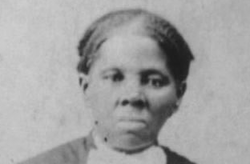
Harriet Tubman and the Underground Railroad helped expose the cruelty and injustice of slavery by actively resisting it and guiding enslaved people to freedom. Her actions, and those of others like her, increased tensions between the North and South, as Southern slaveholders saw the loss of their "property" as a direct threat—fueling the growing conflict that led to the Civil War.
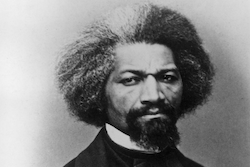
Frederick Douglass was a former slave who became one of the most powerful voices for abolition and equality in American history. Through his speeches, writings, and activism, he inspired generations to fight for justice, education, and civil rights.
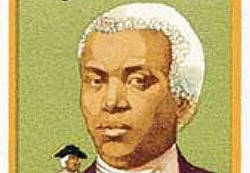
Benjamin Banneker was a self-taught African American mathematician, astronomer, and inventor known for publishing almanacs and assisting in the survey of Washington, D.C. He also advocated for racial equality, writing a famous letter to Thomas Jefferson urging an end to slavery.
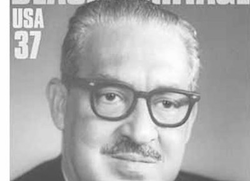
Thurgood Marshall was the first African American justice on the U.S. Supreme Court, serving from 1967 to 1991. Before that, he was a lawyer who successfully argued Brown v. Board of Education, helping end racial segregation in public schools.
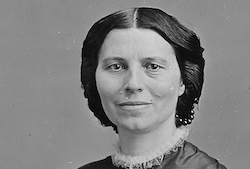
Clara Barton was a pioneering nurse and humanitarian who founded the American Red Cross. Known as the “Angel of the Battlefield,” she provided critical medical supplies and support to soldiers during the Civil War.
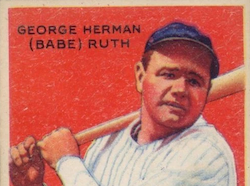
Babe Ruth was one of the greatest baseball players in history, known for his incredible hitting power and record-setting 714 career home runs. He transformed baseball into America's favorite pastime and became the sport's first true superstar.