New Jersey History |
 |
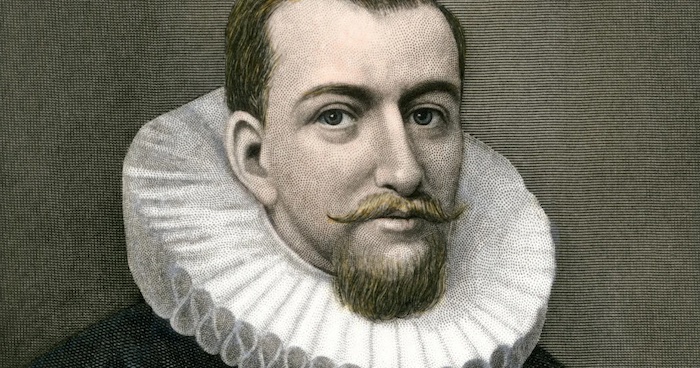
New Jersey’s Early InhabitantsThe land that is now New Jersey was originally home to Native American tribes such as the Lenape and the Delaware, who lived there for thousands of years before Europeans arrived. European Exploration and ColonizationIn 1609, Dutch explorer Henry Hudson claimed the region for the Dutch East India Company. The Dutch established a trading post in 1624 and named the area New Netherland. In 1664, the English seized control and renamed it New Jersey after the Channel Island of Jersey, honoring Sir George Carteret. Princeton University was founded in 1746.
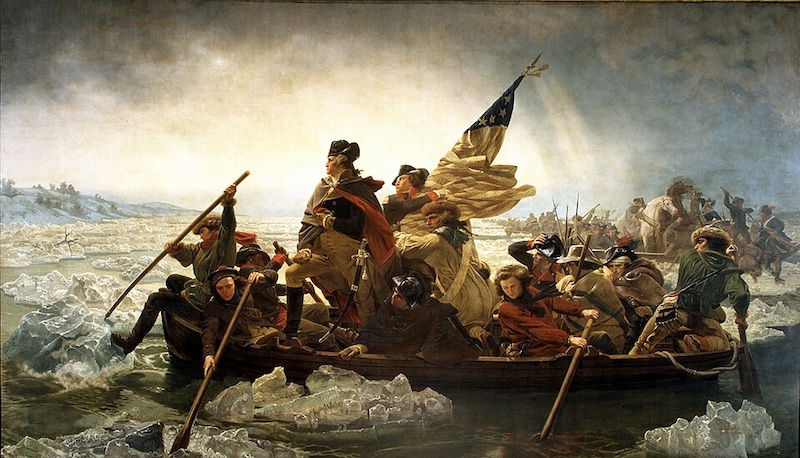
Iconic painting of Washington and men crossing the Delaware River - Leutze (1858) New Jersey in the American RevolutionNew Jersey was a key location during the American Revolution, hosting important battles like Trenton, Princeton, and Monmouth Courthouse. The state played a vital role in the fight for independence.
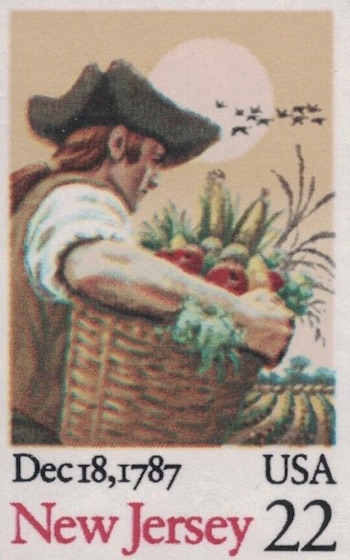
A Video on Washington's Crossing from the American Battlefield Trust Statehood and Industrial GrowthNew Jersey became the third state to ratify the Constitution in 1787. During the 19th century, it rapidly industrialized, producing iron, textiles, and machinery. 20th Century Innovation and Modern EraIn the 20th century, New Jersey became a hub for technology and manufacturing, giving the world the motion picture camera and the first electronic computer. Today, it remains a center of business, finance, and cultural heritage, with landmarks like Liberty State Park, the Old Barracks Museum, and Morristown National Historical Park. Discussion Questions
Glossary
New Jersey History Timeline
New Jersey’s Native RootsBefore Europeans arrived, the Lenape and Delaware tribes lived in New Jersey for thousands of years. Colonial BeginningsHenry Hudson claimed the region for the Dutch in 1609, and a trading post was built in 1624. In 1664, the English took over and renamed the area New Jersey after the island of Jersey. Princeton University opened in 1746. Revolutionary War RoleNew Jersey was a major site during the American Revolution, hosting battles like Trenton, Princeton, and Monmouth Courthouse. Statehood and IndustryThe state ratified the Constitution in 1787 and became an industrial leader in iron, textiles, and machinery during the 19th century. Modern GrowthNew Jersey helped pioneer inventions like the motion picture camera and the first computer. Today, it is a strong economic and cultural hub with historic landmarks like Liberty State Park and Morristown National Historical Park. |