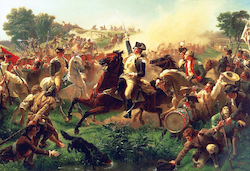
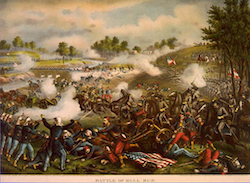
New Jersey was originally settled by the Dutch and the Swedes in the early 1600s before coming under English control in 1664. It became one of the original thirteen colonies and played a key role in the American Revolution, hosting several major battles.
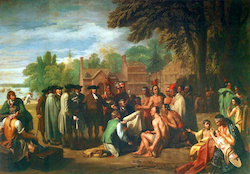
The Lenni Lenape, also known as the Delaware people, originally lived in the Northeastern United States, including present-day New Jersey, Pennsylvania, and New York. They were known for their farming, clan-based society, and early treaties with European settlers, including a famous agreement with William Penn.
The New Jersey Colony was founded in 1664 after the English took control from the Dutch and granted the land to Lord Berkeley and Sir George Carteret. It became known for its religious tolerance, diverse population, and fertile land ideal for farming.
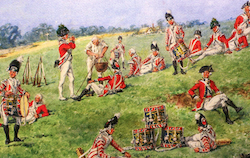
The American Revolutionary War (1775–1783) was a conflict between the thirteen American colonies and Great Britain, resulting in the colonies gaining independence. It began with growing tensions over British taxation and governance and ended with the Treaty of Paris, which recognized the United States as a sovereign nation.
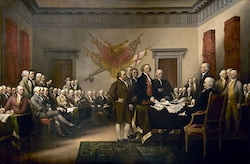
The Declaration of Independence is a historic document written in 1776 that explained why the American colonies chose to break away from British rule. It stated that all people have rights and that governments must have the consent of the governed to be legitimate.
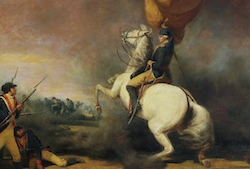
The Battle of Princeton, fought on January 3, 1777, was a pivotal American victory during the Revolutionary War, where General George Washington outmaneuvered British forces in New Jersey, boosting Patriot morale and momentum after the win at Trenton.
Fought on a sweltering June day in 1778, the Battle of Monmouth Courthouse marked one of the largest battles of the American Revolution—where Continental forces stood their ground against the British, proving their growing strength and discipline.
The American Civil War (1861–1865) was fought between the Northern states (Union) and the Southern states that seceded to form the Confederacy, primarily over the issues of slavery and states’ rights. It resulted in the preservation of the Union and the abolition of slavery, but at the cost of over 600,000 lives.