Theodore Roosevelt |
||||
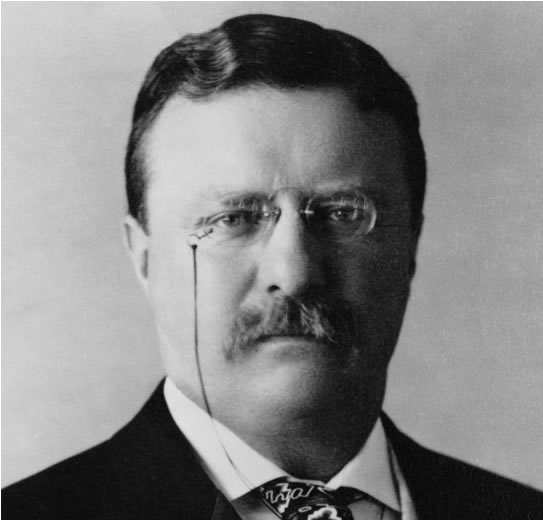
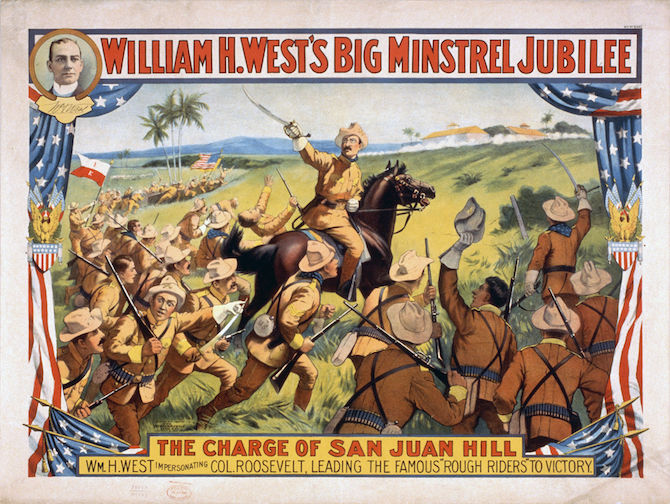
Early Life and EducationTheodore Roosevelt was born on October 27, 1858, in New York City. He graduated from Harvard University in 1880 and briefly attended Columbia University's law school before leaving to pursue a political career. Moving Up in the Political WorldRoosevelt's political journey began in 1882 when he was elected to the New York State Assembly. After a brief retreat to his ranch in North Dakota, he returned to New York in 1886 and ran unsuccessfully for mayor. Despite this loss, his career advanced steadily. In 1889, President Benjamin Harrison appointed him to the U.S. Civil Service Commission, where he served for six years. In 1895, he became president of the New York City Board of Police Commissioners. By 1897, he was named Assistant Secretary of the Navy by President William McKinley. The Rough RidersIn 1898, following the outbreak of the Spanish-American War, Roosevelt resigned from his naval post to form a cavalry unit called "Roosevelt's Rough Riders." This group of 2,000 diverse and handpicked men trained in San Antonio, Texas, and sailed to Cuba. They fought in several key battles, most famously charging up San Juan Hill on June 20, 1898. Their bravery led to the surrender of Spanish forces and made Roosevelt a national hero.
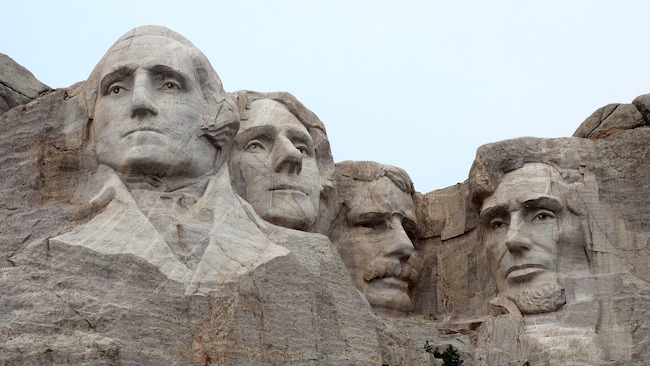
26th PresidentAfter the war, Roosevelt was elected governor of New York in 1899. The following year, he became the Republican vice-presidential candidate alongside President William McKinley. When McKinley was assassinated in 1901, Roosevelt became the 26th president of the United States. At age 42, he was the youngest person ever to assume the presidency. Eventful Terms in OfficeDuring his presidency, Roosevelt oversaw many reforms and international efforts. He supported Panama's independence from Colombia and facilitated U.S. control of land for the future Panama Canal. He battled corporate monopolies, notably dissolving the Northern Securities Company. His mediation in the Russo-Japanese War earned him the Nobel Peace Prize in 1905. Roosevelt also championed the Hepburn Act, the Pure Food and Drug Act, and major conservation efforts. He established the U.S. Forest Service, declared 18 national monuments, and signed into law 5 national parks, 51 wildlife refuges, and 150 national forests. He also helped establish the Bureau of Investigation in 1908. Honored on Mt. RushmoreAfter his presidency, Roosevelt devoted himself to exploring and writing. He passed away on June 4, 1918. In honor of his legacy, Theodore Roosevelt National Park was established in North Dakota, and he was one of four presidents immortalized on Mount Rushmore.
Most Well-Known Quote"Speak softly and carry a big stick; you will go far." Discussion Questions
Glossary
Five Interesting Facts
Timeline of Theodore Roosevelt’s Life
Early YearsTheodore Roosevelt was born in 1858 in New York City. He graduated from Harvard in 1880 and briefly attended law school at Columbia before entering politics. Political RiseHe began his career in 1882 in the New York State Assembly. After a few years on a ranch in North Dakota, he returned to public service and held roles like U.S. Civil Service Commissioner and NYC Police Board president. In 1897, he became Assistant Secretary of the Navy. War HeroIn 1898, Roosevelt led the Rough Riders in the Spanish-American War. They won a famous battle at San Juan Hill, making Roosevelt a national hero. President of the U.S.Roosevelt became governor of New York in 1899, vice president in 1901, and president later that year after McKinley’s assassination. At 42, he was the youngest U.S. president. Presidential AchievementsAs president, he supported Panama's independence, built the Panama Canal, broke up monopolies, and won the Nobel Peace Prize. He also created national parks, monuments, and the U.S. Forest Service. LegacyRoosevelt died in 1918. He is remembered for his bold leadership and conservation efforts. His face is one of four on Mount Rushmore. |
||||
| Theodore Roosevelt Activities | ||||
|