The Wright Brothers |
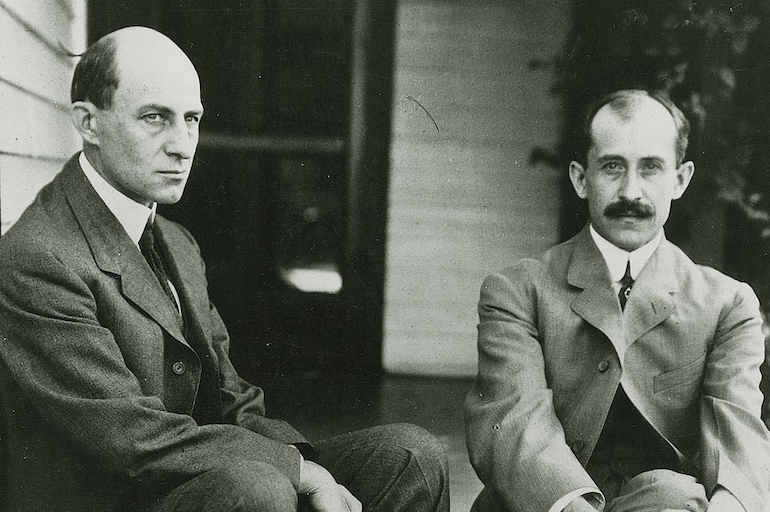
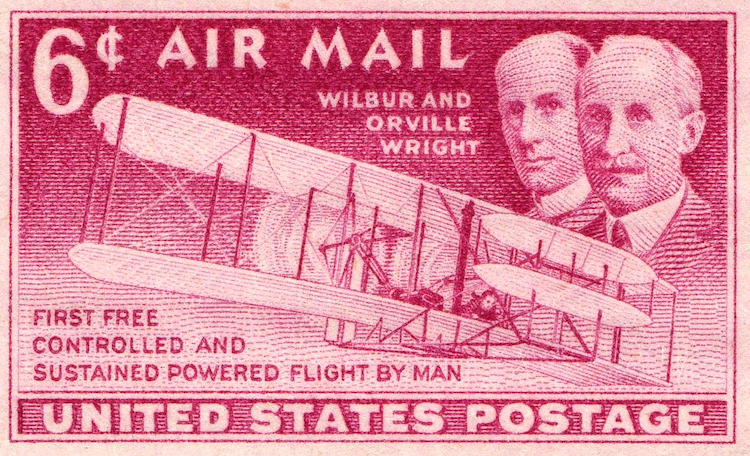
Wilbur and Orville Wright |
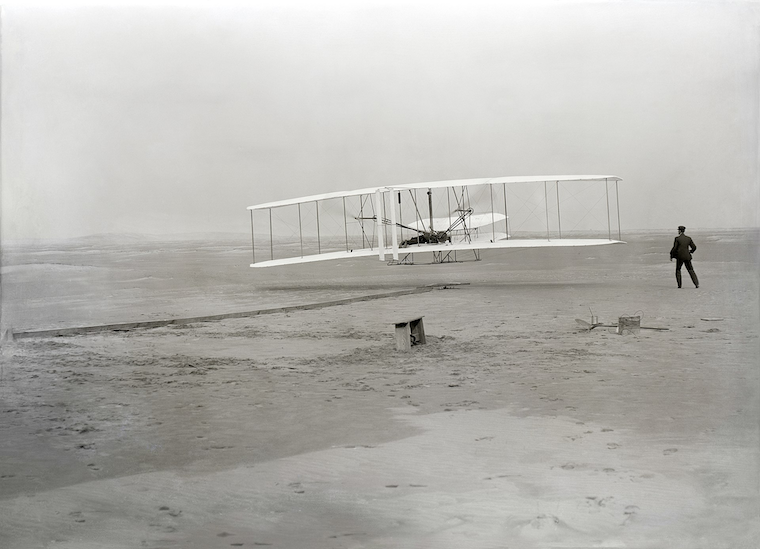
Early Life and InspirationWilbur and Orville Wright were two American brothers who changed the world with their invention of the first successful airplane. Wilbur was born in 1867 in Indiana, and Orville followed in 1871 in Ohio. They grew up in a home that valued learning and creativity. Their father gave them a toy helicopter powered by rubber bands, which sparked their interest in flying. As they got older, the brothers started a printing business and later opened a bicycle shop, where they learned a lot about mechanics.Studying FlightIn the late 1800s, many people were trying to figure out how to fly, but no one had succeeded. The Wright brothers carefully studied birds and read books and articles about flight. They built and tested gliders, learning how to control them. One of their biggest ideas was figuring out how to steer an aircraft. They invented a system called "wing-warping" to help a plane turn smoothly in the air.First FlightAfter years of testing, the Wright brothers built a powered airplane called the Wright Flyer. On December 17, 1903, in Kitty Hawk, North Carolina, Orville flew the plane for 12 seconds. It was the first time in history a heavier-than-air machine flew under its own power with a pilot aboard. They made four flights that day, with the longest lasting 59 seconds.
First Flight Changing the WorldAfter their success, the Wright brothers continued to improve their airplanes. They made longer and higher flights, showed their invention to the world, and started their own airplane company. Their work led to the creation of the modern aviation industry, which connects people and countries all over the globe.
Take a Virtual Field Trip to the Wright Brothers National Memorial LegacyWilbur died in 1912, but Orville lived until 1948. Today, the Wright brothers are remembered as pioneers of flight. Their invention opened up a new era of travel, exploration, and innovation. Museums around the world honor their achievements, and their first airplane is displayed at the Smithsonian in Washington, D.C.
Discussion Questions
Glossary
Four Interesting Facts
Early Life and InterestsWilbur and Orville Wright were brothers born in the late 1800s. They grew up in a home that encouraged creativity. A toy helicopter from their father sparked their interest in flight. Later, they opened a bicycle shop, where they learned about machines. Learning to FlyDuring the 1890s, many people tried to fly but failed. The Wright brothers studied birds and flight science. They built gliders and learned how to steer them using a method called wing-warping, which helped turn the aircraft smoothly. The First Powered FlightIn 1903, they flew the Wright Flyer in Kitty Hawk, North Carolina. Orville flew it for 12 seconds—the first flight of a powered airplane. That day, they flew four times, with the longest flight lasting 59 seconds. Impact and LegacyThe Wright brothers improved their planes and started a company. Their work helped create the aviation industry. Wilbur died in 1912, but Orville lived until 1948. Their first plane is now displayed in a museum, and they are remembered as pioneers of flight. |