Ohio History |
|
|
|
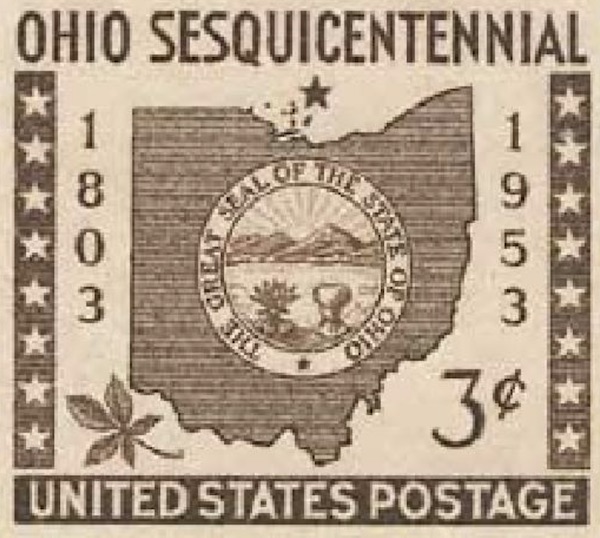
Early Inhabitants and Colonial ClaimsOhio, located in the Midwestern region of the United States, has a rich and diverse history that dates back thousands of years. The state was first inhabited by various Native American tribes, including the Iroquois, Shawnee, and Miami, before being claimed by the French and British in the late 17th and early 18th centuries. Statehood and Early GrowthIn 1783, Ohio became part of the United States as a result of the Treaty of Paris, which ended the American Revolutionary War. During the early years of statehood, Ohio grew rapidly as a result of its fertile farmland and access to major waterways like the Ohio River. In the early 19th century, Ohio became an important center of manufacturing and transportation, with the state serving as a major hub for westward expansion via the Ohio and Erie Canal.
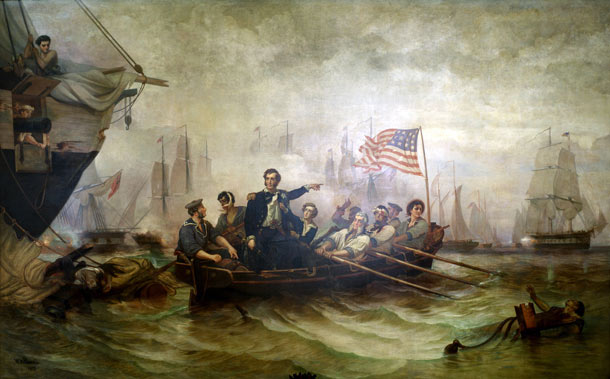
Oliver Hazard Perry'svVictory at the Battle of Lake Erie in the War of 1812 Industrial Strength and Civil War ContributionsThroughout the 19th and early 20th centuries, Ohio continued to be a major player in American industry, with cities like Cleveland and Cincinnati emerging as important centers of manufacturing and trade. The state also played a key role in the American Civil War, with Ohio providing tens of thousands of soldiers and resources to the Union cause. Reform Movements and Political LegacyIn the late 19th and early 20th centuries, Ohio became an important center of reform movements, with residents advocating for women's suffrage, workers' rights, and temperance. This legacy of progressive activism continued throughout the 20th century, as Ohio residents played key roles in movements for civil rights and environmental protection. Ohio has long been at the forefront of American politics, as seven United States presidents were born there. Discussion Questions
Glossary
Native Tribes and European ClaimsOhio was first home to Native American tribes such as the Shawnee, Iroquois, and Miami. These groups lived in the region for centuries before European explorers arrived. In the 1600s and 1700s, both the French and British tried to control the area because of its rich land and rivers. Joining the United StatesAfter the Revolutionary War ended in 1783, the Treaty of Paris gave Ohio to the United States. Settlers came quickly, attracted by the farmland and rivers like the Ohio River. Ohio became a state in 1803 and grew fast, especially with help from the Ohio and Erie Canal. Industry and the Civil WarOhio became known for its factories and strong economy. Cities like Cleveland and Cincinnati became important for manufacturing. During the Civil War, Ohio supported the Union and sent many soldiers and supplies to help win the war. Reform Movements and Political InfluenceIn the late 1800s and 1900s, Ohioans worked for changes like women’s voting rights, better working conditions, and less alcohol use. Later, they helped lead civil rights and environmental movements. Ohio is also important in politics, with seven U.S. presidents born there. |