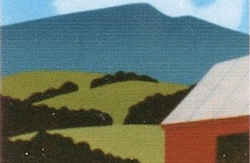
Vermont was the fourteenth state admitted to the Union in 1791, becoming the first state added after the original thirteen colonies. It was also the first state to ban slavery in its constitution in 1777, setting an early example for freedom in America.
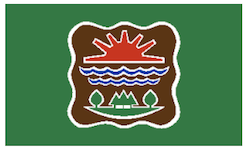
The Abenaki are a Native American people who lived in what is now northern New England and parts of Canada, including New Hampshire, Vermont, and Quebec. They were skilled hunters, farmers, and traders, and despite wars and displacement, many Abenaki communities and traditions remain strong today.
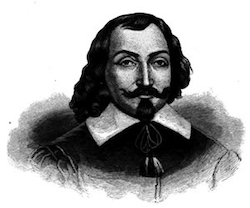
Samuel de Champlain explored parts of present-day Vermont in 1609 while traveling south from Quebec. He reached the lake that now bears his name, Lake Champlain, and encountered the native Abenaki people during his journey.
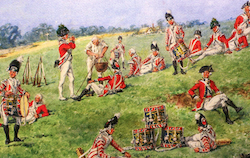
The American Revolutionary War (1775–1783) was a conflict between the thirteen American colonies and Great Britain, resulting in the colonies gaining independence. It began with growing tensions over British taxation and governance and ended with the Treaty of Paris, which recognized the United States as a sovereign nation.
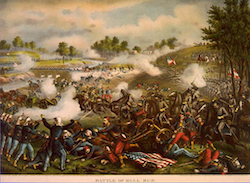
The American Civil War (1861–1865) was fought between the Northern states (Union) and the Southern states that seceded to form the Confederacy, primarily over the issues of slavery and states’ rights. It resulted in the preservation of the Union and the abolition of slavery, but at the cost of over 600,000 lives.