Thomas J. "Stonewall" Jackson |
||
|
 |
Discussion Questions
- Why was Thomas Jackson called “Stonewall” during the Civil War?
- What were some of Jackson’s major victories in the war?
- How did Jackson’s death affect the Confederate Army and General Lee?
- What might have happened if Jackson had lived longer during the war?
Old Blue Light
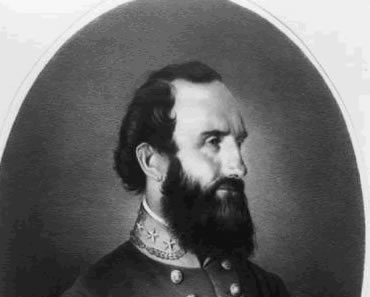
Thomas J. Jackson was born on January 21, 1824, in Clarksburg, Virginia (now West Virginia). He graduated from the U.S. Military Academy in 1846 and served bravely in the Mexican-American War. After the war, he became a professor at the Virginia Military Institute and earned the nickname “Old Blue Light.”
Becoming "Stonewall"
When the Civil War started, Jackson was sent to Harper’s Ferry to help recruit soldiers for the Confederate Army. He later joined General Johnston’s forces at Manassas. During the First Battle of Bull Run, General Bernard Bee saw Jackson standing firm and said, “There stands Jackson like a stone wall,” giving him the famous nickname “Stonewall.” After a victory at Bull Run, Jackson was promoted to major general and later won several other battles.
Second Bull Run
Jackson helped General Lee in Richmond before heading north to confront Union General John Pope. He captured Pope’s supply base at Manassas Junction and held off Union troops at the Second Battle of Bull Run. This set up General Longstreet’s powerful attack that forced the Union army to retreat.
Untimely Death at Chancellorsville
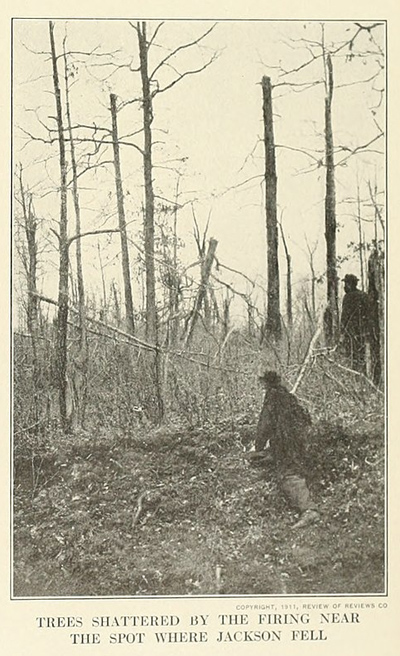
Jackson later captured Harper’s Ferry and fought at Antietam. After helping win the Battle of Fredericksburg, he achieved a major victory at Chancellorsville. Sadly, that night, Jackson was accidentally shot by his own soldiers. He lost his left arm and died of pneumonia eight days later on May 10, 1863. General Lee mourned his death deeply, saying, “He has lost his left arm, but I have lost my right.” Jackson is buried in Lexington, Virginia.
- Stonewall Jackson Printable Reading Comprehension - Lexile 1100
- Stonewall Jackson Online Reading Comprehension - Lexile 1100
- First Battle of Bull Run Printable Reading Comprehension - Lexile 1100
- First Battle of Bull Run Printable Fact or Fiction - Lexile 1100
- First Battle of Bull Run Online Fact or Fiction - Lexile 1100
- Peccadillos - Stonewall's Eccentricities
- Emphasis: What did the Nickanme "Stonewall" Really Mean?
- Civil War Nicknames
- Real-life Sequel: Second Battle of Bull Run
- Battle of Chancellorsville Online Reading Comprehension - Lexile 1200
- Famous Last Words of Stonewall Jackon