Expansion and Migration

Go West Young Man...Go West

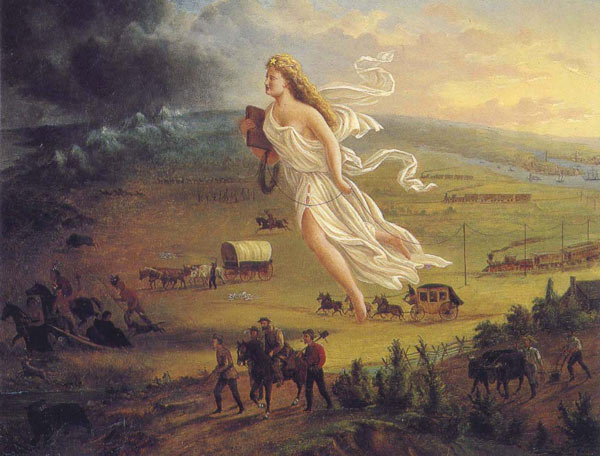
The Spirit of Westward Expansion

We define Westward Expansion as the time period between the end of the War of 1812 and the beginning of the causes of the American Civil War in 1850. We have divided our offerings into three major sections of the time period:

Expansion and Manifest Destiny

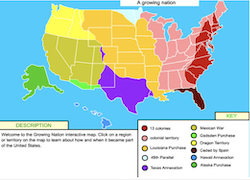
In the 1800s, the United States greatly expanded its territory through major land acquisitions such as the Louisiana Purchase (1803), the annexation of Texas (1845), the Oregon Territory (1846), and the Mexican Cession (1848). These acquisitions, along with the Gadsden Purchase (1854), helped fulfill the vision of Manifest Destiny by extending U.S. territory from the Atlantic to the Pacific.

Westward Migration and the Emigrant Trails

In the 1800s, thousands of American settlers migrated westward along trails like the Oregon, Santa Fe, and California Trails in search of land, opportunity, and a better life. These journeys were long and dangerous, often marked by disease, harsh weather, and difficult terrain.

Indian Wars

American expansion in the 1800s was driven by the belief in Manifest Destiny—the idea that the United States was destined to expand across the continent. This growth often came at the expense of Native American tribes, whose lands were taken through treaties, warfare, and forced removal.