James K. Polk - 11th President |
||||
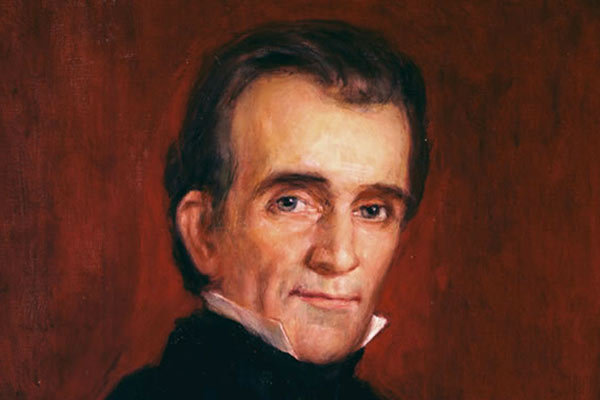
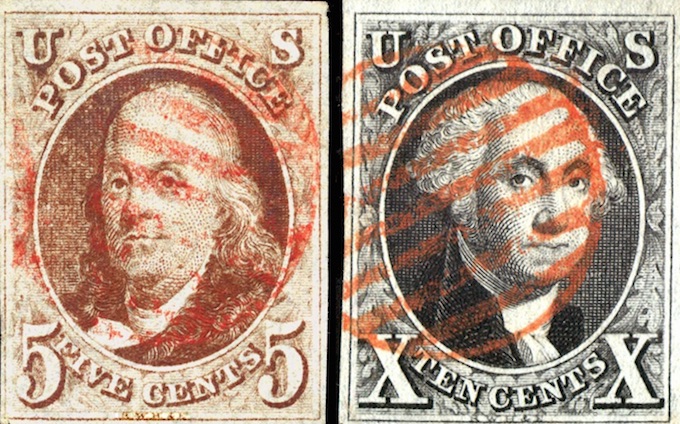
Little HickoryJames K. Polk was born in Mecklenburg County, North Carolina, in 1795. He graduated with honors from the University of North Carolina in 1818. As a young man he became a successful lawyer, entered politics and joined the Tennessee Legislature. Polk's political career progressed quickly. He served as the Speaker of the House of Representatives from 1835-1839. He served as governor of Tennessee afterwards. He would earn the nickname "Little Hickory," for his close association to Andrew Jackson, who was called "Old Hickory." Presidency and Manifest DestinyIn 1844, Polk was elected president of the United States - the first and only Speaker of the House to ever ascend to the presidency. He was an advocate of Manifest Destiny (western expansion) and supported the annexation of Texas, as well as acquisition of California and Oregon. Later that year, Polk negotiated a treaty with Great Britain which resulted in his country's acquisition of the Oregon Territory. Although Texas became the 31st state in 1845, the attempted acquisition of California resulted in the Mexican-American War. Polk initially offered to buy California and the New Mexico territory from Mexico for $20,000,000, plus forgiveness of other debts. The Mexican government refused, which prompted Polk to send general (and the next president) Zachary Taylor and his troops to the region. The Mexicans saw this as a sign of aggression and attacked Taylor's troops. Congress declared war and promptly defeated Mexican forces and occupied Mexico City. At the end of the war, Mexico agreed to give up California and the New Mexico territory for $15,000,000. The new lands increased the land mass of the American nation significantly. Polk's presidency is regarded as very successful and he is considered by historians to have been the most successful single-term, non-assassinated president. During his presidency, the first postage stamps were issued, the Smithsonian museums were dedicated, and the United States Naval Academy was opened. Click here to learn more about: Manifest Destiny | Mexican-American War
Death from CholeraIn failing health, Polk left the White House in 1849 (he never tried to win re-election). Only 103 days after his last as president, he died of Cholera in Nashville, Tennessee.
Little HickoryJames K. Polk was born in 1795 in North Carolina. He graduated from the University of North Carolina in 1818. He became a successful lawyer, entered politics, and joined the Tennessee Legislature. Polk's career advanced quickly, becoming Speaker of the House and later Governor of Tennessee. He was called "Little Hickory" because he supported Andrew Jackson, who was known as "Old Hickory." Presidency and Manifest DestinyPolk was elected president in 1844 and is the only former Speaker of the House to become president. He supported Manifest Destiny, which was the belief that the U.S. should expand west. Polk helped bring Texas, Oregon, California, and New Mexico into the United States. When Mexico refused to sell California and New Mexico, war broke out. The U.S. won the war and paid Mexico $15 million for the land. During Polk’s time as president, the first postage stamps were issued, the Smithsonian opened, and the U.S. Naval Academy began. First American StampsThe first U.S. postage stamps featured George Washington and Benjamin Franklin and were released during Polk’s presidency. Death from CholeraPolk did not run for a second term and left office in 1849. He died just 103 days later from cholera in Nashville, Tennessee. |
||||
| James K. Polk Activities | ||||
|