Disease
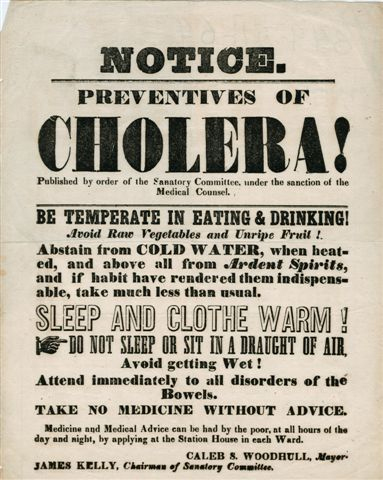
By far, the most common cause of death along the westward trails was by disease. Diseases such as those described below spread quickly among families and camps because of the unsanitary conditions or lack of nutrition that prevailed.
Scurvy is a condition caused by a lack of Vitamin-C over time. Sailors during the Age of Exploration, with inadequate and contaminated food supplies, were particularly vulnerable. Scurvy results in the formation of painful sores, bleeding from the gums, and eventually, organ failure. It can easily be reversed with Vitamin-C, although during the Age of Exploration, it was thought scurvy was contracted through contaminated air of swamps and marshes. Scurvy is thought to have killed over two million sailors in the Age of Exploration.
Yellow Fever is a deadly virus caused by infected mosquitoes. It shuts down the kidneys and liver and makes the skin yellow from jaundice. It results in a high fever and is often fatal.
Dysentery is a virus that spreads in unsanitary conditions (such as those found on crowded ships). It attacks the intestines and results in severe, bloody diarrhea. Some people who get dysentery die of dehydration.
Cholera is similar to dysentery and spreads in unsanitary conditions. People get cholera from contaminated food or water (often when human waste comes in contact with food or water). Those who contract cholera get diarrhea, vomiting, and high fevers. It can be fatal from dehydration.
Typhoid is another disease that is spread in unsanitary conditions. Like cholera and dysentery, it results in severe fevers, diarrhea, or internal bleeding. Typhoid can also cause a rash on the chest.
Wagon Mishaps
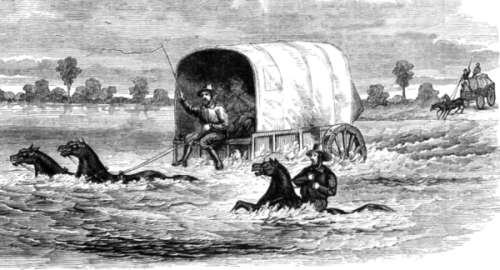
Wagon crashes, particularly at river crossings were among the most common and deadly dangers that pioneers faced. At any given time on the Oregon Trail, there were numerous rivers that required crossing. Crossing the rivers could be very dangerous. Sometimes, often after rainstorms, rivers could be swollen and moving swiftly. Such rivers could cause the oxen that pulled the wagons to tip over or panic mid-crossing. This could result in the drowning of passengers and oxen, or the catastrophic loss of supplies or damage to the wagon.
In addition, the wagons could be dangerous, especially for children. Hundreds of children are known to have died along the trails from falling from the moving wagons, or, from being pinned under the wheels of the wagon. Because the wagons were so overloaded, people were often forced to walk alongside them. A simple trip, slip, or stumble, could result in death by being crushed by wagon wheels.
Both adults and children were killed by guns along the trails. Most of the time, such deaths were accidental and resulted from the unintentional discharge of the weapon, or, from carelessness during hunting.
Native Americans
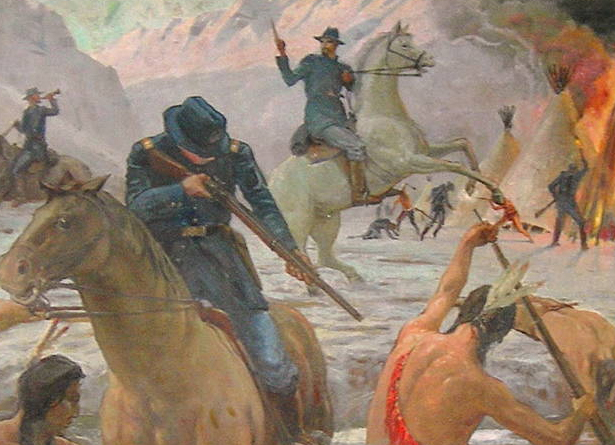
For the most part, relations between the pioneers and various native groups were peaceful and based on trade. There are many documented instances of Native Americans rescuing pioneers stuck in their wagons, rescuing drowning pioneers, or even helping them round up cattle. The vast majority of violence between the Native Americans and pioneers was precipitated by pioneers. In 1863, for example, 400 Shoshone men, women, and children were killed in an organized pioneer attack that included California soldiers known as the Bear River Massacre.
Wildlife
Wildlife along the westward trails could pose problems for pioneers. The most dangerous situations were when wagons were caught in the path of stampeding buffalo, which could reduce a wagon to a pile of boards and kill riders. Pioneers were sometimes bitten by rattlesnakes when they ventured outside of wagons. While painful, such bites were usually not fatal. Bears, mountain lions, and wolves rarely posed any serious threats.
Weather
Much of pioneer travel occurred through a region of America called the Great Plains. The Great Plains is well-known for its unpredictable and severe weather. Pioneers were often caught in severe thunderstorms, which could include golf-ball sized hail, brutal dust storms, and even tornadoes. At least six pioneers were documented to have been killed by lightning strikes. The incredible heat from the treeless plains could cause severe dehydration and sunburn. Without modern-day lip balm or Chap Stick, pioneers had to rub axle grease on their lips to keep them from splitting. In addition, the heat wrought havoc on the wagons and caused wood to shrink. Pioneers had to go to great lengths to ensure the metal wagon rims were wet enough to stay on the wheels.
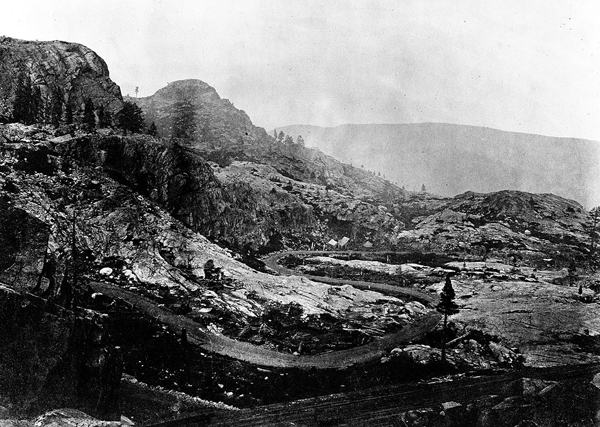
Occasionally, especially if timing was poor, wagon trains became trapped in blinding snow storms in the mountains. The Donner Party is the most famous example of such circumstances. The Donner's, and several other families, became trapped in the deep snows of the Sierra-Nevada Range during the winter of 1846-1847. The snow was so deep and so relentless that their progress toward California was completely halted for the entire winter. When the family inevitably ran out of food, many died, and others were forced to result to cannibalism to survive. The story of the Donner Family is perhaps the most famous example of the hardships and potential problems pioneers faced.