Federalist Papers |
|
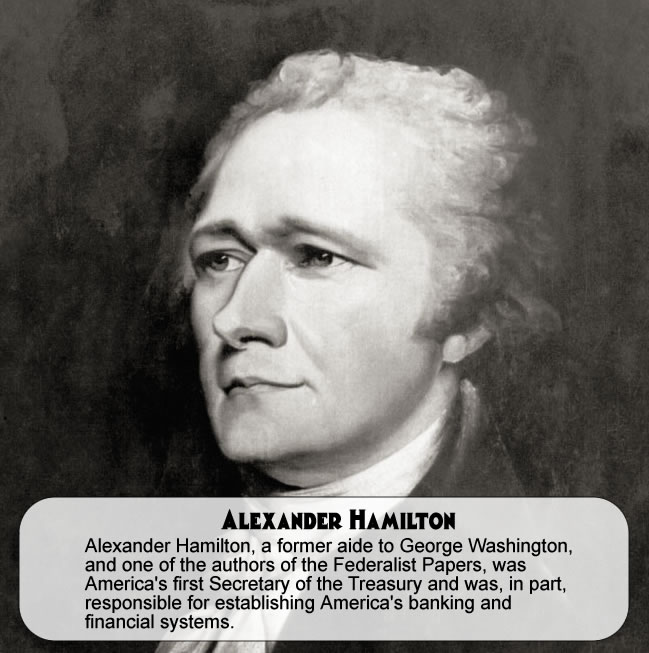
After Delaware and Pennsylvania ratified the Constitution, other states began thinking about whether they should do the same. Some states were unsure if signing the Constitution was a good idea. To help persuade them, Alexander Hamilton, James Madison, and John Jay (mostly Hamilton and Madison) wrote 85 essays called the Federalist Papers. These essays were published in New York newspapers under the name "Publius." Learn more about: Alexander Hamilton | James Madison | John Jay Purpose and ImpactThe Federalist Papers are considered one of the greatest contributions to American democracy and political theory. They clearly explained the problems with the Articles of Confederation and the benefits of the new Constitution. Alexander Hamilton, in particular, explained how the new government would work—especially the roles of the executive, legislative, and judicial branches. Ideas in the PapersThe authors talked about key ideas like checks and balances (to prevent one person or group from getting too much power), federalism, separation of powers, pluralism, and representation. These ideas became important parts of how the U.S. government works. Lasting SuccessSome people say the Federalist Papers were the greatest public relations campaign in history. Just two years after they were published, Rhode Island became the last of the original 13 colonies to ratify the Constitution. After Delaware and Pennsylvania approved the Constitution, other states had to decide if they wanted to join. Some weren’t sure it was a good idea. To help convince them, Alexander Hamilton, James Madison, and John Jay (mostly Hamilton and Madison) wrote 85 essays called the Federalist Papers. These were published in New York newspapers using the fake name "Publius." Why the Papers Were ImportantThe Federalist Papers explained why the new Constitution was better than the old system under the Articles of Confederation. The essays helped people understand how the new government would work. Hamilton did a lot to explain the jobs of the three branches—executive, legislative, and judicial. Main IdeasThe essays talked about important ideas like checks and balances (to stop anyone from having too much power), federalism (sharing power between national and state governments), and representation (letting people have a voice in government). Long-Term EffectSome people say the Federalist Papers were one of the best public campaigns ever. Two years after the essays were published, Rhode Island became the last of the original 13 states to approve the Constitution. |
| Federalist Papers Activities |
|